


President Donald Trump and Chinese President Xi Jinping are meeting during a critical moment for the global economy, trade policy, and geopolitical stability.
The high-level negotiations could influence tariffs, manufacturing, financial markets, energy prices, and diplomatic relations worldwide.
Analysts believe the outcome of the summit may define the next decade of U.S.-China relations and global economic growth.
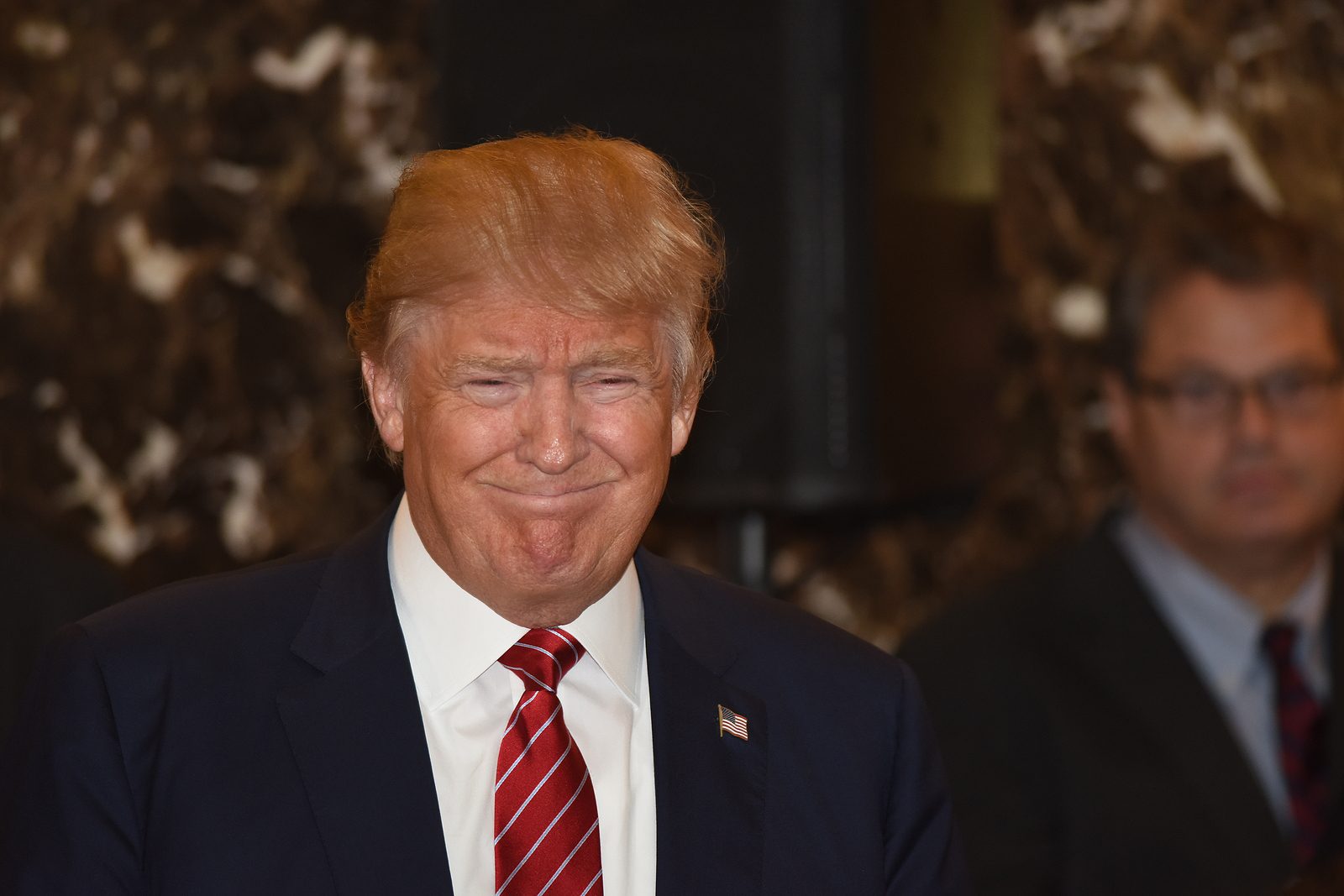
A Defining Global Moment for the United States and China
BEIJING, China — May 14, 2026 (STL.News) The meeting between President Donald Trump and Chinese President Xi Jinping is already being viewed by political analysts, economists, and global investors as one of the most important diplomatic events of the year. At a time when the world faces slowing economic growth, unstable supply chains, military tensions, rising debt, inflation concerns, and geopolitical uncertainty, the leaders of the world’s two largest economies are attempting to negotiate a path forward that could reshape the global order.
The symbolism alone is powerful. Trump, known for his aggressive negotiating style and America-first economic policies, is sitting face-to-face with Xi Jinping, the most dominant Chinese leader in decades and the architect of China’s long-term economic and geopolitical expansion strategy.
The world is watching because the relationship between the United States and China influences nearly every major aspect of the global economy. Manufacturing, technology, energy markets, agriculture, military strategy, international shipping, artificial intelligence, financial markets, and consumer pricing are all tied to the decisions made by these two nations.
This summit is not simply about tariffs or trade deficits. It is about the future direction of the global economy itself.

Why the Trump-Xi Meeting Matters to the Entire World
For years, tensions between the United States and China have shaped global economic policy. Tariff battles, sanctions, technology restrictions, supply chain disruptions, and disagreements over Taiwan and the South China Sea have created uncertainty for businesses and governments worldwide.
The relationship between Washington and Beijing became increasingly strained during Trump’s first presidency when tariffs were imposed on hundreds of billions of dollars in Chinese goods. Trump argued that China had taken advantage of unfair trade practices, intellectual property theft, currency manipulation, and manufacturing imbalances that weakened American industry and hurt the U.S. middle class.
China responded aggressively at the time, imposing retaliatory tariffs and strengthening efforts to reduce its dependence on American technology and manufacturing.
Years later, the consequences of those conflicts are still visible throughout the global economy.
Manufacturers shifted production out of China to countries such as Vietnam, India, and Mexico, as well as other developing economies. Global corporations redesigned supply chains to reduce dependency on Chinese production. Inflation pressures intensified in some sectors as production costs increased worldwide.
At the same time, China accelerated efforts to dominate strategic industries such as electric vehicles, artificial intelligence, semiconductors, battery production, robotics, and green energy technology.
Now, both sides appear to recognize that continued economic hostility could create long-term damage not only to their own nations but to the entire world economy.
Trump’s Negotiating Style Brings Unpredictability
President Trump has long positioned himself as a negotiator first and politician second. His supporters argue that his willingness to confront China directly forced global leaders to acknowledge economic issues that previous administrations had avoided for decades.
Critics, however, argue that the trade wars created instability, increased costs for businesses, and damaged diplomatic relationships.
Regardless of political opinions, Trump’s negotiating approach is widely viewed as highly aggressive, unpredictable, and transactional. He often uses public pressure, tariffs, and economic leverage as tools to force concessions from foreign governments.
That style creates both fear and opportunity during negotiations.
Investors often react strongly to Trump’s public statements because markets understand that his policies can rapidly alter global trade flows, commodity prices, and investor sentiment.
In this current meeting with Xi Jinping, Trump is expected to push for:
- Reduced trade imbalances
- Expanded access for U.S. businesses in China
- Stronger intellectual property protections
- Increased Chinese purchases of American products
- Manufacturing protections for U.S. industries
- Reduced dependence on Chinese supply chains
At the same time, Trump likely understands that maintaining some level of economic cooperation with China is necessary to avoid deeper global instability.
Xi Jinping’s Long-Term Vision for China
While Trump is known for rapid political pressure and direct confrontation, Xi Jinping operates with a much longer strategic timeline.
Xi’s leadership philosophy focuses heavily on strengthening China’s global influence over decades rather than reacting to short-term political cycles. Under his leadership, China has expanded military modernization, technological investment, infrastructure development, and international partnerships through programs designed to increase Chinese influence worldwide.
Xi’s government has also aggressively pursued economic independence from Western pressure. China has invested heavily in domestic semiconductor production, AI systems, advanced manufacturing, and alternative financial systems designed to reduce reliance on the United States and the U.S. dollar.
For Xi, this meeting is about more than temporary trade relief.
It is also about preserving China’s economic growth during a challenging period that includes:
- Slowing domestic growth
- Youth unemployment concerns
- Real estate market instability
- International trade pressure
- Supply chain restructuring
- Rising geopolitical tensions
China understands that stable trade relationships with the United States remain critical for maintaining exports, investor confidence, and industrial growth.
Xi’s strategy likely centers on stabilizing relations while protecting China’s long-term geopolitical ambitions.
Financial Markets Closely Watching Every Development
Global financial markets are reacting cautiously to the Trump-Xi summit. Investors understand that even small policy changes between the United States and China can create massive economic ripple effects worldwide.
Stock markets often respond immediately to:
- Tariff announcements
- Export restrictions
- Semiconductor policy changes
- Currency fluctuations
- Military tensions
- Energy supply concerns
If the summit produces signs of improved cooperation, global markets could experience renewed optimism. Reduced trade tensions may lower business uncertainty, encourage investment, and improve corporate confidence.
Technology companies, manufacturers, shipping firms, agricultural exporters, and commodity producers all have significant financial exposure to U.S.-China relations.
The semiconductor industry is especially sensitive. Advanced chips and artificial intelligence systems have become central to both economic competition and national security strategy. Restrictions on technology exports have created ongoing friction between the two nations.
Any agreement related to technology access, manufacturing partnerships, or supply chain cooperation could dramatically affect global technology markets.
The Taiwan Question Remains a Major Concern
Even if trade negotiations progress positively, one major issue continues to overshadow U.S.-China relations: Taiwan.
China considers Taiwan part of its territory and has repeatedly stated that reunification remains a national objective. The United States maintains strong unofficial ties with Taiwan and continues providing military and strategic support.
Military activity near Taiwan has increased in recent years, raising concerns about potential conflict between two nuclear powers.
Many analysts believe one of the hidden objectives of the Trump-Xi meeting is to reduce the risk of military escalation in the region.
A direct military conflict involving Taiwan would likely trigger catastrophic consequences for the global economy. Semiconductor production, international shipping routes, energy markets, and financial systems could all face severe disruption.
Both leaders understand the stakes.
Even small diplomatic improvements could help lower tensions and reduce fears of conflict among investors and international governments.
Energy Prices and Global Supply Chains Could Be Affected
The outcome of these negotiations could also influence energy markets and transportation costs around the world.
The global economy remains highly sensitive to geopolitical instability. Conflicts in the Middle East, shipping disruptions, and sanctions have already created volatility in oil and gas markets.
Improved cooperation between the United States and China could help stabilize supply chain concerns and calm commodity markets.
Manufacturing industries across the globe depend heavily on predictable trade conditions. Retailers, restaurants, automotive manufacturers, construction firms, and technology companies all feel the impact when shipping costs rise or supply chains become unstable.
In cities like St. Louis and throughout the Midwest, businesses continue facing higher costs tied to inflation, logistics challenges, labor shortages, and supply disruptions.
A more stable international trade environment could eventually help reduce some pricing pressure for businesses and consumers alike.
The World Economy Needs Stability
Many economists believe the world economy is entering a dangerous phase of fragmentation. Nations are increasingly forming competing economic blocs, imposing trade restrictions, and prioritizing domestic production over globalization.
Some experts argue that the world is slowly moving toward a divided economic structure, with the United States and China operating separately.
That trend carries risks.
Fragmented supply chains can increase costs, slow innovation, reduce efficiency, and create higher inflation over time. Businesses benefit when global markets operate with predictable rules and stable diplomatic relationships.
The Trump-Xi summit may represent an attempt to slow that fragmentation before it creates more serious long-term economic damage.
Even limited cooperation between the two superpowers could improve confidence among global investors and multinational corporations.
Political Optics Matter for Both Leaders
Both Trump and Xi also understand the domestic political importance of these negotiations.
Trump wants to demonstrate strength, leadership, and negotiating ability to American voters while reinforcing his image as a president willing to confront global competitors directly.
Xi wants to project stability, confidence, and strategic control to both Chinese citizens and the international community.
Neither leader can afford to appear weak politically.
That reality creates a delicate balance during negotiations. Both sides need enough progress to claim victory without appearing to surrender core national interests.
This dynamic often complicates U.S.-China diplomacy, even when both nations share economic incentives for cooperation.
Could This Meeting Change the Future?
History often turns on moments that initially appear routine.
Meetings between world leaders can either deepen divisions or create entirely new opportunities for diplomacy and economic cooperation.
Some analysts believe this summit could become the beginning of a more stable era in U.S.-China relations. Others remain skeptical, arguing that the underlying competition between the two nations is too large to resolve easily.
Still, the fact that both leaders are meeting directly sends a powerful signal to the world.
Communication itself reduces risk.
At a time when military tensions, trade disputes, inflationary pressures, and geopolitical instability continue to affect global markets, even incremental diplomatic progress may help restore confidence.
The stakes are enormous because the United States and China together represent the center of global economic activity.
When relations between Washington and Beijing improve, markets often stabilize. When tensions escalate, uncertainty spreads worldwide.
A Critical Crossroads for the Global Economy
The Trump-Xi meeting comes during one of the most uncertain economic periods in recent memory. Nations around the world are struggling with inflation, slowing growth, debt pressures, housing instability, labor shortages, and political division.
Businesses want predictability.
Investors want stability.
Consumers want lower costs.
Governments want growth without conflict.
Whether this summit ultimately produces major agreements or only modest progress, it reflects a growing recognition that prolonged hostility between the world’s two largest economies creates risks nobody can fully control.
The relationship between Donald Trump and Xi Jinping may ultimately influence not only trade policy but also the future direction of global peace, economic growth, technological competition, and international diplomacy for years to come.
For now, the world waits to see whether confrontation or cooperation will define the next chapter of U.S.-China relations.
More General News stories published on STL.News:
- Xi Jinping Profile: China’s Most Powerful Modern Leader
- A Blueprint for Global Productivity and Economic Stability
- China Issues Cryptic Warning to U.S. Over Taiwan During Trump-Xi Summit
- Trump and Xi Summit in Beijing Could Reshape the Future of the World
- Trump’s China Summit Could Reshape the Future of the Iran War
- Latest St. Louis Restaurant News
© 2026 St. Louis Media, LLC d.b.a. STL.News. All rights reserved. No content may be copied, republished, distributed, or used in any form without prior written permission. Unauthorized use may result in legal action. Some content may be created with AI assistance and is reviewed by our editorial team. For official updates, visit STL.News.



