


EVIAN-LES-BAINS, France, June 17 (STL.News) – Leaders gathering in France for the G7 summit have formally welcomed a newly secured ceasefire agreement between the United States and Iran. The summit, held from June 15 through June 17, 2026, served as a platform for the Group of Seven to address urgent geopolitical pressures across Europe, the Middle East, and Asia. With the immediate threat of conflict in the region subsiding, the focus has pivoted toward long-term economic security and energy independence.
The memorandum of understanding, engineered by U.S. President Donald Trump, paves the way for the lifting of the U.S. blockade on Iranian ports. This development is expected to reopen the critical Strait of Hormuz, which had previously been a major flashpoint contributing to global energy volatility. G7 representatives stated that they are prepared to assist with the operational implementation of the agreement to ensure the stability of global trade routes.
New pressure on Russian energy
With the reopening of the Strait of Hormuz, the G7 alliance has seized the opportunity to recalibrate its approach to the ongoing war in Ukraine. The coalition reaffirmed its commitment to Ukraine’s territorial integrity, using the newfound breathing room in the Middle East to intensify economic pressure on Moscow.
A central pillar of the final joint statement involves tightening sanctions on Russia’s foundational oil and gas sectors. By restricting revenue streams that fuel the war economy, leaders hope to weaken Russia’s military capacity. Discussions also included establishing new protocols for technological advancements, with a specific emphasis on securing U.S.-developed artificial intelligence models against adversarial interference.
Curbing Chinese mineral dominance
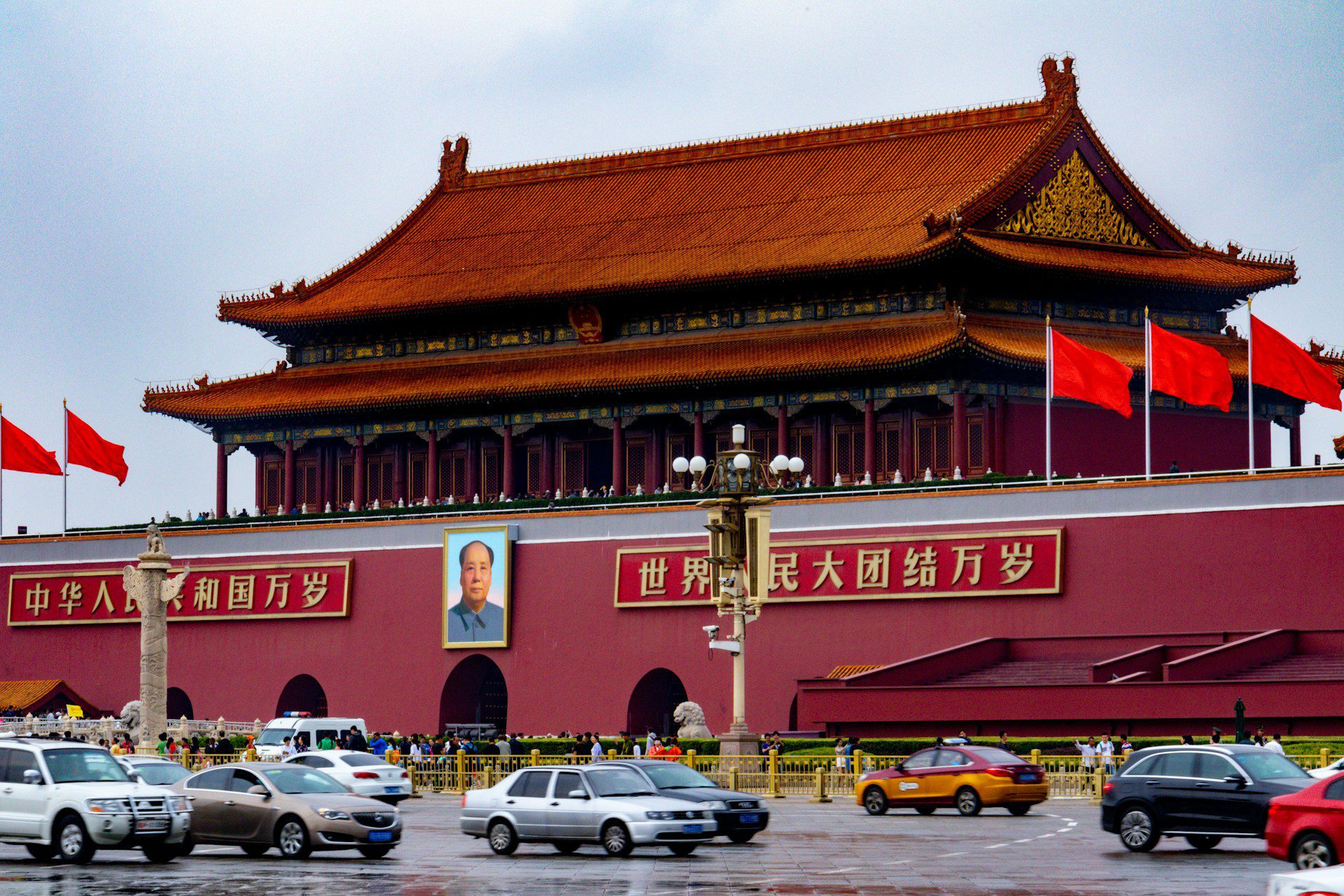
A major takeaway from the France summit is the unified push to address a perceived chokehold on global critical-mineral supply chains. The G7 leaders have drafted a framework to create alternatives to China’s near-monopoly on rare earth elements, which are essential for modern defense and green energy technologies.
Under the new policy, the member nations agreed to a target ensuring that no single country supplies more than 60 percent of their imports of critical minerals by 2030. This strategy is designed to insulate Western investors and protect mining companies from market flooding and retaliatory export restrictions. Beijing had previously imposed curbs on essential materials such as gallium and graphite, prompting the current push for diversification.
The approach to achieving this goal remains a point of internal discussion. The United States is advocating for a defense-backed, AI-driven pricing model to bypass what it describes as Chinese market manipulation. Conversely, France and Canada are championing a G7-wide framework that prioritizes shared infrastructure investments and streamlined permitting processes.
AI as a security priority
The summit also highlighted the rising importance of artificial intelligence in national security architecture. The U.S. administration recently placed significant export controls on advanced AI models, a move that sparked debate regarding the balance between innovation and protection.
Tech industry leaders, including OpenAI’s Sam Altman and Google DeepMind’s Demis Hassabis, participated in working sessions to discuss integrating AI into critical infrastructure. The consensus reached by the alliance treats advanced algorithms with the same high-level security protocols usually reserved for physical strategic resources.
President Trump, who maintained a dominant presence throughout the proceedings, framed the upcoming phase of international relations as highly transactional. During the summit, he provided a clear warning regarding the durability of the recent diplomatic success:
“We are prepared to go back to dropping bombs if Tehran fails to cooperate during the upcoming 60 days of rigorous bilateral negotiations in Switzerland,” said President Trump during a press conference.
The G7 also saw Canada, Japan, and the United Kingdom establish a side-pact to accelerate the development of sodium-ion and solid-state battery technologies. This effort aims to reduce the long-term reliance on Chinese-controlled cobalt supplies, marking another step in the alliance’s goal of achieving supply chain autonomy.



