


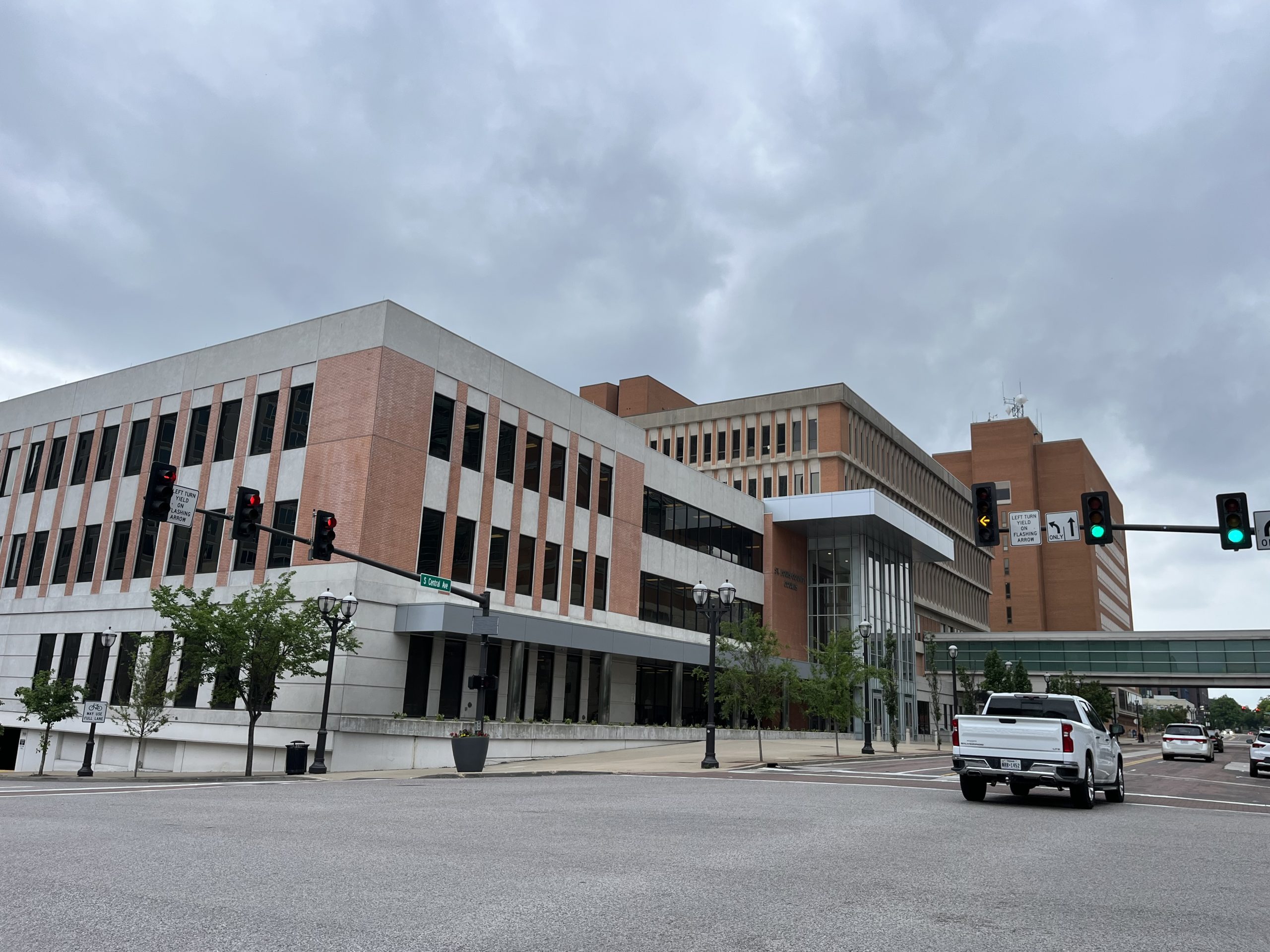
St. Louis County, Missouri, is the most populous county in the state and one of the Midwest’s most important economic, residential, educational, and cultural centers. This comprehensive educational guide explores the county’s history, communities, economy, transportation, parks, schools, government, and role within the greater St. Louis metropolitan region.
Introduction to St. Louis County, Missouri
St. Louis County, Missouri, is one of the most historically significant and economically important counties in the American Midwest. Located in eastern Missouri along the Mississippi River region, the county surrounds much of the City of St. Louis and serves as the population and suburban center of the Missouri side of the greater St. Louis metropolitan area. Its location, transportation infrastructure, educational institutions, healthcare systems, corporate offices, neighborhoods, municipalities, parks, and commercial districts have made it one of Missouri’s most influential regions for generations.
The county plays a central role in Missouri’s economy, government, education, healthcare, transportation, and regional identity. It contains dozens of municipalities, major employment corridors, historic communities, business districts, universities, hospitals, industrial areas, shopping centers, residential neighborhoods, parks, and conservation land. From dense inner-ring suburbs to expanding western communities, St. Louis County reflects multiple eras of American suburban and metropolitan development.
This educational resource page is designed to complement STL.News’ broader educational pages about Missouri and the City of St. Louis. Together, these pages help explain how the county, city, and state are historically and economically connected while providing useful information for students, researchers, residents, businesses, travelers, and readers seeking a deeper understanding of the region.
Location and Geographic Importance of St. Louis County, Missouri
St. Louis County is located in eastern Missouri and forms a major portion of the St. Louis metropolitan region. The county is bordered by the Missouri River to the north and the Meramec River to the south and southwest. The City of St. Louis lies along the county’s eastern edge, while neighboring counties include St. Charles County, Jefferson County, and Franklin County in Missouri. Across the Mississippi River lies Illinois, including the metropolitan area’s portion in Illinois.
The county’s geographic location has been important since the earliest periods of settlement. Rivers, transportation routes, rail corridors, highways, and later airport infrastructure helped establish the area as a center for trade, manufacturing, commerce, logistics, and suburban growth. The county’s position near major waterways and within the central United States contributed to the development of the greater St. Louis region as one of the nation’s major transportation and distribution hubs.
The landscape varies considerably throughout the county. Northern sections include river plains, transportation corridors, industrial areas, and established suburbs. Central areas contain dense residential development, office districts, hospitals, universities, and commercial corridors. Western portions include rolling hills, parks, conservation land, subdivisions, and business development. Southern areas feature residential communities, river bluffs, wooded landscapes, and recreation areas connected to the Meramec and Mississippi river systems.
County Seat and Government Structure of St. Louis County, MO
The county seat of St. Louis County is Clayton, Missouri. Clayton serves as the county’s administrative and legal center and is one of the region’s most important business districts. The city contains county government offices, courts, law firms, financial institutions, restaurants, hotels, office towers, and corporate headquarters.
St. Louis County operates under a charter form of government. The county government includes an elected County Executive and a County Council. The County Executive serves as the head of the executive branch, while the County Council acts as the legislative body responsible for ordinances, budgeting, and county policy matters.
County government responsibilities include public health, transportation planning, public works, parks, justice services, emergency management, revenue collection, planning, zoning in unincorporated areas, and numerous regional services. Because the county contains many municipalities, local governance often involves cooperation between the county government and municipal governments.
Relationship Between St. Louis County and the City of St. Louis
One of the most important facts about St. Louis County is that it is separate from the City of St. Louis. Although many people refer to the entire region simply as “St. Louis,” the City of St. Louis and St. Louis County are separate political entities.
The separation occurred in the 19th century when voters approved a plan that made the City of St. Louis independent from the county. The separation became effective in 1877, following its approval in 1876. At the time, city leaders believed independence would provide administrative and financial advantages.
The decision permanently shaped the region’s development. The City of St. Louis remained the urban core, while much of the region’s suburban growth later occurred in St. Louis County. Over the decades, businesses, families, schools, hospitals, and commercial development expanded outward into the county, especially after World War II and the rise of automobile-oriented suburbanization.
Today, the city and county remain economically connected while operating under separate governments. They share transportation systems, media markets, cultural institutions, sports identity, healthcare systems, and regional infrastructure, but they maintain independent governmental structures.
Early History
Long before European settlement, the land that became St. Louis County was inhabited by Indigenous peoples connected to the Mississippi River valley and broader regional trade networks. Native communities utilized the area’s rivers, forests, wildlife, and fertile land for agriculture, transportation, hunting, and commerce.
French influence expanded into the region during the 18th century as traders and settlers moved along the Mississippi River corridor. The founding of St. Louis in 1764 helped establish the area as a center for trade and settlement. Spanish authorities later administered the territory before the Louisiana Purchase transferred the region to the United States in 1803.
As American settlement expanded westward, communities throughout what became St. Louis County developed around farming, transportation routes, commerce, milling operations, churches, schools, and early industries. The county was officially established in 1812 when Missouri was still part of the Missouri Territory before statehood was granted in 1821.
In its early years, St. Louis County covered a far larger area than it does today. As Missouri expanded and additional counties were formed, the county’s boundaries gradually changed into their modern form.
Development of Suburban Communities
St. Louis County experienced enormous growth during the 20th century as suburban development expanded beyond the City of St. Louis. Transportation improvements, streetcar systems, railroads, highways, and postwar housing demand helped transform the county into Missouri’s largest suburban population center.
Communities such as Kirkwood, Webster Groves, Maplewood, University City, Clayton, and Ferguson developed during earlier phases of suburban expansion connected to rail and streetcar transportation. These communities often featured walkable neighborhoods, downtown business districts, churches, schools, and residential architecture dating to the late 19th and early 20th centuries.
After World War II, suburban growth accelerated dramatically. Interstate highways, automobile ownership, commercial development, and large-scale residential construction fueled expansion across the county. Communities such as Florissant, Hazelwood, Bridgeton, Chesterfield, Ballwin, Creve Coeur, Manchester, Maryland Heights, and Wildwood grew rapidly during different phases of suburbanization.
The county’s communities reflect many stages of suburban development. Some areas contain historic architecture and traditional downtown districts, while others are dominated by postwar subdivisions, office parks, shopping centers, and newer residential developments.
Municipalities and Unincorporated Areas in St. Louis County, Missouri
St. Louis County has many municipalities, making it one of the most municipally fragmented counties in the United States. Municipalities vary greatly in population, size, demographics, services, and economic conditions.
Some municipalities function as major population and business centers, while others are small residential communities with limited land area. Incorporated cities and municipalities include Florissant, Chesterfield, Clayton, University City, Kirkwood, Webster Groves, Ballwin, Creve Coeur, Hazelwood, Ferguson, Bridgeton, Maryland Heights, Wildwood, Richmond Heights, Brentwood, Maplewood, Ladue, Frontenac, Des Peres, Sunset Hills, Manchester, Olivette, Jennings, Normandy, and many others.
The county also contains substantial unincorporated areas where residents receive many services directly from the county government. These areas include residential neighborhoods, commercial districts, industrial zones, parks, and developing corridors.
Municipal fragmentation has long shaped regional governance, planning, policing, zoning, and public services. Supporters argue that local municipalities provide community identity and local control, while critics argue that fragmentation can complicate regional coordination and service delivery.
Population and Demographics
St. Louis County is Missouri’s most populous county. According to recent Census estimates, the county’s population is slightly below one million, down from exceeding one million in the 2020 Census.
The county is economically, racially, ethnically, and culturally diverse. Different sections of the county have distinct demographic patterns shaped by historical settlement, housing development, transportation access, school districts, and economic conditions.
North County contains many historic suburbs and diverse communities with strong cultural roots and long-established neighborhoods. Central County includes major business districts, educational institutions, healthcare systems, and affluent residential communities. West County includes rapidly developed suburban areas, office corridors, parks, and newer residential growth. South County contains established neighborhoods, commercial districts, parks, and communities tied closely to local schools and family-oriented suburban development.
The county’s diversity includes African American communities, European American populations, immigrant communities, Bosnian American residents, Asian American communities, Hispanic and Latino populations, Jewish communities, Muslim communities, and many other cultural and religious groups that contribute to the region’s identity.
Economy and Business Development
St. Louis County is one of Missouri’s most important economic engines. Major industries include healthcare, education, finance, manufacturing, logistics, technology, bioscience, professional services, construction, retail, hospitality, transportation, and government services.
Clayton serves as one of the region’s primary financial and legal centers. Chesterfield has developed into a major hub for healthcare, retail, hospitality, offices, and commercial investment. Creve Coeur is home to healthcare facilities, technology companies, and corporate offices. Maryland Heights and Bridgeton benefit from proximity to airport infrastructure and transportation corridors.
St. Louis Lambert International Airport, located primarily within St. Louis County, remains a critical regional transportation and economic asset. The airport supports passenger travel, cargo movement, tourism, business operations, hospitality, and logistics activity throughout the metropolitan region.
Small businesses also play a major role in the county’s economy. Restaurants, retailers, service providers, contractors, healthcare practices, professional firms, and family-owned businesses operate throughout the county’s municipalities and commercial corridors.
Transportation Infrastructure
Transportation has shaped the county’s development for centuries. Rivers initially served as the primary means of transportation. Railroads later fueled industrial and suburban growth. In the 20th century, highways and automobile transportation transformed land use patterns throughout the country.
Major interstate highways serving St. Louis County include Interstate 44, Interstate 55, Interstate 64, Interstate 70, Interstate 170, Interstate 255, and Interstate 270. These highways connect the county to surrounding counties, Illinois, national freight corridors, and major commercial routes.
Public transportation is provided primarily through MetroLink light rail and MetroBus service. MetroLink connects portions of the county to downtown St. Louis, the airport, Illinois, educational institutions, hospitals, and entertainment districts.
Road infrastructure remains essential to daily life in the county because of suburban commuting patterns and decentralized development. Commercial corridors, bridges, arterial roads, and interstate systems continue to shape economic activity and residential growth.
Education and Universities
Education is a major component of life in St. Louis County. The county contains numerous public school districts, private schools, religious schools, colleges, universities, libraries, and vocational programs.
School districts vary considerably in enrollment, demographics, funding levels, facilities, and academic performance. Education remains closely tied to local communities, municipal identity, property values, and residential development patterns.
Higher education institutions connected to the county include the University of Missouri–St. Louis, Webster University, Maryville University, and other colleges and institutions serving the region. Washington University in St. Louis, although closely associated with the City of St. Louis, also maintains major facilities adjacent to county communities and contributes significantly to the region’s educational and medical economy.
St. Louis County Library serves residents through multiple branches and provides books, digital resources, genealogy materials, educational programming, research tools, access to technology, and community services.
Healthcare and Medical Services
Healthcare is one of the county’s largest and most important industries. The county contains hospitals, specialty clinics, urgent care centers, rehabilitation facilities, outpatient centers, medical offices, and senior care services.
Major healthcare systems throughout the region operate facilities within St. Louis County. Healthcare institutions provide employment, medical treatment, emergency care, research connections, and specialized services for residents throughout the metropolitan area.
Medical development has influenced commercial growth, office construction, residential patterns, and transportation planning in multiple parts of the county, particularly in areas tied to major healthcare corridors.
Parks, Recreation, and Green Space
St. Louis County maintains one of the largest park systems in the region. Parks provide recreation, conservation, sports facilities, walking trails, lakes, playgrounds, picnic areas, and public gathering spaces.
Notable parks and recreation areas include Creve Coeur Lake Memorial Park, Jefferson Barracks Park, Lone Elk Park, Tilles Park, Faust Park, Greensfelder Park, Cliff Cave Park, Bee Tree Park, Suson Park, Queeny Park, Spanish Lake Park, and Fort Belle Fontaine Park.
These parks preserve natural landscapes while supporting recreation, festivals, community events, youth sports, hiking, biking, fishing, and environmental conservation. Greenways and trail systems also help connect communities throughout the county.
Culture and Community Identity
St. Louis County reflects a broad mixture of suburban traditions, cultural diversity, local history, religious communities, educational institutions, and neighborhood identity. Community life often centers on schools, churches, libraries, parks, local businesses, youth sports, restaurants, and municipal events.
Food culture plays a significant role throughout the county. Restaurants representing a wide variety of cuisines operate across the region, reflecting the county’s cultural diversity and strong local dining traditions.
Sports are also deeply connected to county identity. Residents strongly support St. Louis regional sports teams, including the Cardinals, Blues, and St. Louis City SC. High school athletics, youth sports, recreational leagues, and local sports traditions remain important parts of community life.
Historic Sites and Preservation
St. Louis County contains numerous historic neighborhoods, churches, cemeteries, military sites, schools, and buildings connected to different periods of regional development.
Jefferson Barracks remains one of the county’s most important historic sites and has deep military significance. Historic communities such as Florissant, Kirkwood, Webster Groves, Ferguson, and University City contain architecture and neighborhoods connected to the county’s early suburban development.
Historic preservation remains important as communities attempt to balance redevelopment with protection of historic buildings, neighborhoods, and cultural landmarks.
North County
North St. Louis County includes communities such as Florissant, Hazelwood, Ferguson, Jennings, Bridgeton, Black Jack, Berkeley, Dellwood, Spanish Lake, Bellefontaine Neighbors, and surrounding areas.
North County contains many of the county’s oldest suburban communities and remains historically significant within the region. The area includes residential neighborhoods, industrial corridors, airport-related businesses, parks, schools, and commercial districts.
North County has faced economic and infrastructure challenges in some areas, but it also contains strong community institutions, active local governments, educational facilities, healthcare providers, and significant redevelopment opportunities.
West County
West County includes communities such as Chesterfield, Ballwin, Wildwood, Ellisville, Manchester, Town and Country, Creve Coeur, Frontenac, Des Peres, and surrounding areas.
This portion of the county experienced significant suburban expansion during the late 20th century and contains office parks, shopping centers, residential subdivisions, parks, healthcare facilities, and corporate campuses.
West County is often associated with newer suburban development, commercial investment, highway access, and higher-income residential communities.
South County
South County includes areas such as Affton, Lemay, Mehlville, Oakville, Crestwood, Sunset Hills, Concord, and nearby communities.
The area contains established neighborhoods, schools, parks, commercial corridors, and strong local community identities. South County is closely connected to the landscapes of the Meramec and Mississippi River landscapes and contains important recreational areas and historic sites.
Jefferson Barracks Park and Cliff Cave Park are among the major recreation and historic resources in South County.
Challenges and Future Opportunities
Like many large metropolitan counties, St. Louis County faces ongoing challenges involving infrastructure maintenance, public safety, transportation needs, housing affordability, municipal fragmentation, economic disparities, aging commercial corridors, and population shifts.
Some communities continue attracting investment and residential growth, while others focus on redevelopment, stabilization, and modernization efforts. Regional cooperation remains an important issue as local governments address transportation, economic development, housing, and public services.
Despite these challenges, the county maintains substantial advantages. Its location, workforce, educational institutions, healthcare systems, transportation infrastructure, parks, cultural diversity, and economic base continue to position it as one of Missouri’s most important regions.
Future success will likely depend on infrastructure investment, redevelopment, workforce training, public safety improvements, business growth, environmental management, and stronger regional collaboration.
Conclusion
St. Louis County, Missouri, is one of the Midwest’s most important suburban and metropolitan counties. Its history reflects early settlement, westward expansion, transportation growth, suburbanization, economic development, and regional transformation across multiple centuries.
Today, the county remains Missouri’s largest county by population and one of the state’s most important economic, educational, healthcare, and residential centers. Its municipalities, neighborhoods, parks, schools, business districts, transportation systems, and cultural institutions continue shaping the identity of the greater St. Louis region.
As part of STL.News’ expanding educational resource library, this page is designed to help readers better understand St. Louis County’s role within Missouri and the larger metropolitan region. The county’s history, geography, economy, communities, and institutions remain essential to understanding both modern Missouri and the continuing evolution of the American Midwest.
© Copyright 2026 – All Rights Reserved – St. Louis Media LLC dba STL.News
