



NEW YORK, June 12 (STL.News) – Shares of SpaceX surged 19% during their Nasdaq debut on Friday, driving the company’s total market valuation above 2 trillion. This milestone establishes the aerospace firm as the sixth-largest company in the United States by value and marks a historic financial shift for founder Elon Musk.
The company’s market capitalization reached 2.1 trillion by the end of the trading session. This performance follows a record-setting 75 billion initial public offering that attracted significant attention from both institutional investors and retail traders.
Market activity was robust throughout the day, with over 510 million shares changing hands. The total value of shares traded reached approximately 84 billion, reflecting high demand for the firm’s diverse portfolio of rockets, satellite technology, and artificial intelligence ventures.
A Record Breaking Debut
Trading activity commenced smoothly on Friday morning at the Nasdaq market site in New York. The launch avoided the technical complications that impacted other major technology debuts in years past.
By the final bell, shares closed at 160.95 each. This valuation allowed SpaceX to surpass Broadcom in total market capitalization. Amazon currently holds the next tier in valuation at 2.6 trillion, positioning SpaceX within striking distance of the retail giant.
The offering took place despite recent fluctuations in the broader technology sector. Concerns regarding the valuation of artificial intelligence-linked companies had created uncertainty among analysts leading up to the launch.
Despite those worries, the market response remained overwhelmingly positive. The high level of interest was attributed to the company’s unique position in the modern economy.
“For many investors, SpaceX is the closest thing to investing in the railroads during the Industrial Revolution and they are willing to pay the Elon Musk premium for that opportunity,” said Seth Hickle, chief investment officer at Mindset Wealth Management in Indianapolis.
High Valuation and Market Risks
While the debut was considered a success, financial experts suggest that potential investors should prepare for significant volatility. The company is currently operating without profitability, having reported a loss of nearly 5 billion last year.
Its annual revenue stands at 18.7 billion, resulting in a price-to-revenue ratio of approximately 112. This figure is substantially higher than the ratios observed for other megacap stocks, leading to debates regarding the long-term sustainability of the current share price.
Retail investors played a notable role in the offering, receiving roughly 20% of the total allocation. This level of retail participation is significantly higher than what is typically seen during major public offerings.
Analysts remain divided on whether the current momentum can be maintained as the company navigates its first few weeks as a publicly traded entity.
“The question remains is, what happens in a couple of weeks from now. Right now, people want to bid the stock higher because it’s a winner at this point. Whether it stays that way, that remains to be seen,” said Todd Schoenberger, chief investment officer at Crosscheck Management in Washington, DC.
Shifts in Investor Portfolios
The entry of SpaceX into the public market is expected to cause a reshuffling of existing portfolios. Some analysts anticipate that investment funds may rotate capital away from other technology heavyweights to gain exposure to the aerospace firm.
The impact was immediate within the sector on Friday. Shares of other space and satellite-related firms experienced sharp declines, with Planet Labs dropping 9% and EchoStar falling 11%.
While the company’s lack of profitability prevents it from joining the S&P 500, it is expected to gain entry into the Nasdaq 100. This transition, facilitated by new fast-entry rules, will likely integrate SpaceX into numerous passive funds and exchange-traded funds, creating ongoing demand for shares.
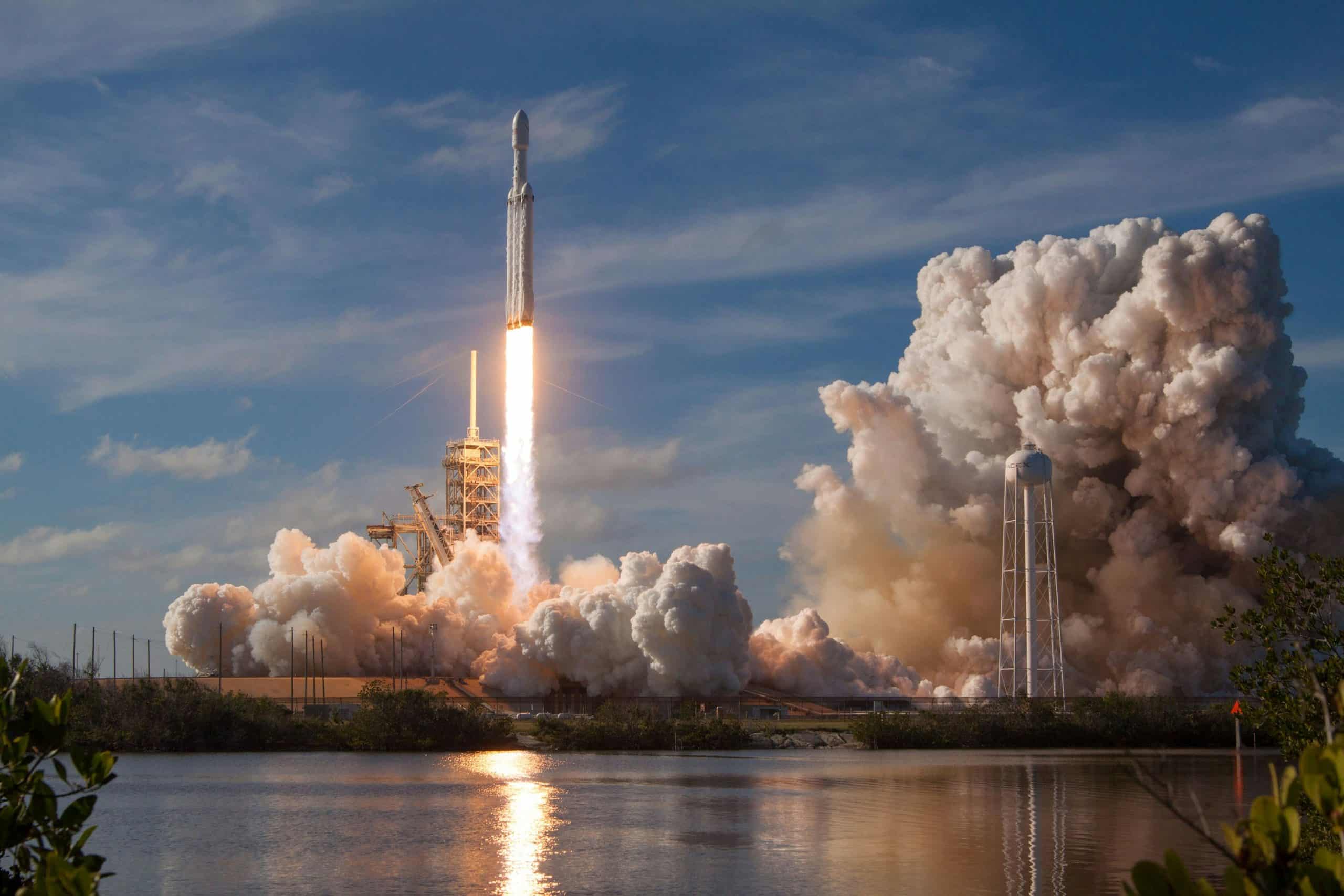
The company has framed its long-term potential around an addressable market it estimates at 28.5 trillion. Leadership pointed to its dominant position in orbital launches, claiming the firm accounts for more than four-fifths of the mass launched into orbit over the last three years.
Ambition Becomes Reality
The IPO serves as the culmination of long-term ambitions for the company, which has spent years developing its infrastructure and technology. The proceeds from the 75 billion deal more than doubled the previous record held by the 2019 Saudi Aramco IPO.
The valuation could see further upward movement depending on underwriters’ decisions regarding the sale of additional shares, a process that typically concludes within 30 days of the offering.
For those who supported the company during its early development, the market performance represented a significant evolution.
“Seeing the company that I joined when it was just some sketches on paper become this valuable is almost surreal,” said Tom Mueller, a founding SpaceX employee who spent 18 years at the company and shareholder, who is now CEO of Impulse Space, a spacecraft startup.
Beyond the corporate figures, the IPO has had a notable impact on internal stakeholders. At the time of the offering, internal reports indicated that at least 4,000 current and former employees held equity stakes valued at over 1 million each.
Looking ahead, the firm faces a complex environment. While some analysts have issued positive ratings, other financial research organizations have expressed caution. Morningstar recently suggested a lower valuation target near 780 billion, while CFRA initiated coverage of the stock with a sell rating.
The divergence in analyst opinion reflects the broader challenge of valuing a company that relies more on growth potential and market disruption than traditional fundamental metrics. As market participants continue to assess the company, the influence of its technological footprint on global infrastructure remains a primary factor in the ongoing investment narrative.



