


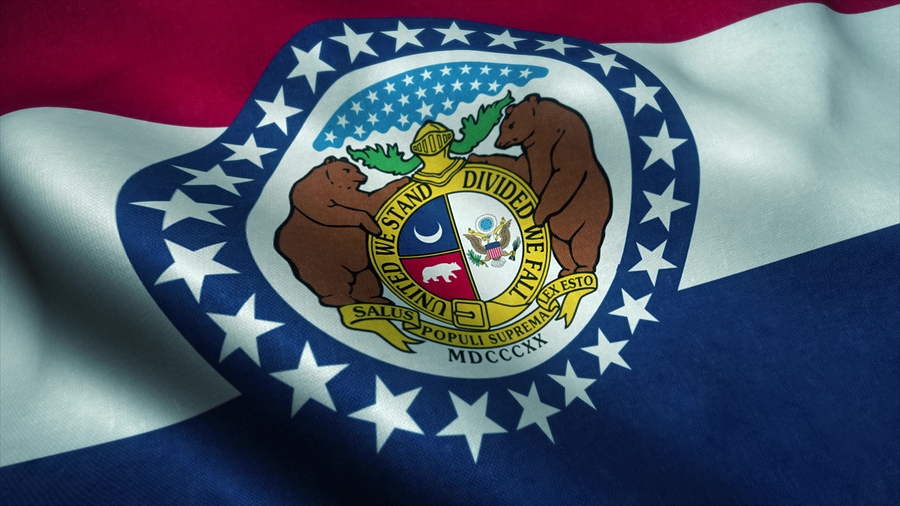
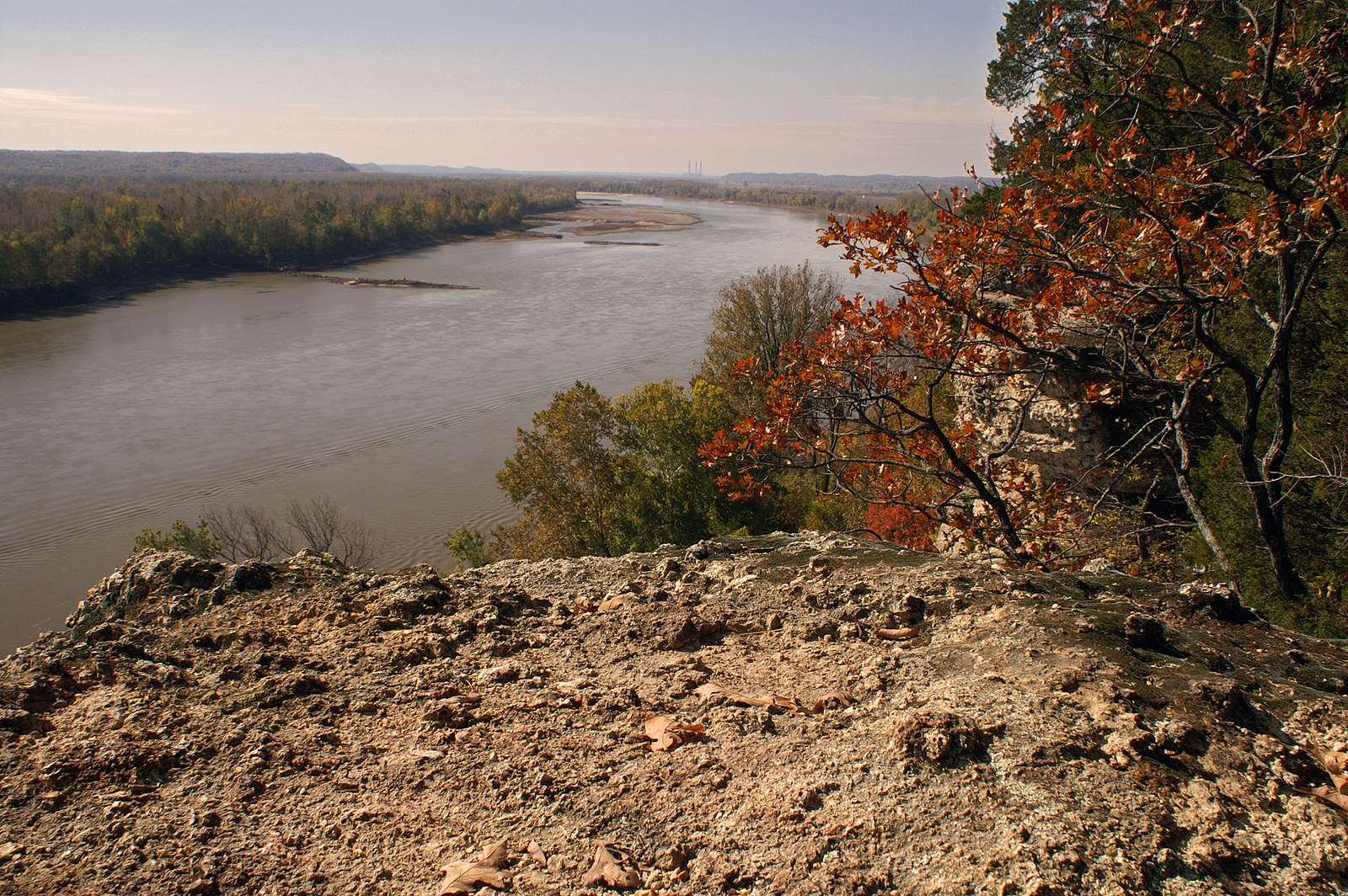
Missouri is one of America’s most historically important and geographically diverse states, combining Midwestern industry, Southern culture, river commerce, agriculture, tourism, and frontier history. From St. Louis and Kansas City to the Ozarks and the Lake of the Ozarks, Missouri continues playing a major role in transportation, business, healthcare, manufacturing, and tourism throughout the United States. This comprehensive guide explores Missouri’s history, economy, geography, culture, attractions, industries, and future growth opportunities.
Missouri Overview
(STL.News) Missouri, a.k.a. MO, stands at the crossroads of America. Positioned in the center of the United States, the state has long served as a gateway connecting the East Coast to the western frontier and the Midwest to the South. Missouri’s strategic location helped shape the nation’s transportation systems, river commerce, agricultural trade, manufacturing growth, and westward expansion.
Known as the “Show-Me State,” MO has built a reputation for practical thinking, a strong work ethic, an independent culture, and economic diversity. The state combines major metropolitan regions with vast farmland, scenic mountain areas, tourism destinations, and small-town communities that preserve much of America’s traditional culture and history.
MO borders eight states, making it one of the nation’s most connected transportation hubs. This central location has allowed MO to become a major center for logistics, freight movement, manufacturing, distribution, and interstate commerce.
Today, MO remains an influential state with strengths in healthcare, agriculture, manufacturing, tourism, higher education, transportation, aerospace, technology, and food production.
MO Quick Facts
| Category | Information |
|---|---|
| Capital | Jefferson City |
| Largest Metropolitan Areas | St. Louis and Kansas City |
| Statehood | August 10, 1821 |
| Nickname | The Show-Me State |
| Population | Approximately 6.2 million |
| Largest Rivers | Mississippi River and Missouri River |
| Major Industries | Agriculture, healthcare, manufacturing, logistics, tourism |
| Famous Destinations | Branson, Lake of the Ozarks, Gateway Arch |
| Climate | Humid continental and humid subtropical |
| Major Universities | University of Missouri, Washington University |
The Early History of Missouri
Long before European settlement, MO was home to advanced Indigenous civilizations that thrived throughout the Mississippi River Valley and surrounding regions. Archaeological evidence suggests human activity in MO stretches back thousands of years.
The area surrounding present-day St. Louis once contained numerous ceremonial mounds built by ancient civilizations connected to the Mississippian culture. These societies established complex communities, trade systems, agricultural practices, and political structures long before European explorers arrived.
Native American tribes associated with Missouri include:
- Osage
- Missouria
- Illini
- Shawnee
- Delaware
These groups depended heavily on the MO’s rivers, forests, wildlife, and fertile land for survival and trade.
French Exploration and Settlement
French explorers and traders entered the MO region during the 17th and 18th centuries. Fur trading became one of the first major industries in the territory.
St. Louis was founded in 1764 and quickly developed into one of the most important commercial settlements west of the Mississippi River. French influence can still be seen throughout Missouri today in architecture, city names, religion, cuisine, and cultural traditions.
Historic communities like Ste. Genevieve preserve much of MO’s early European heritage and remain important tourism destinations.
The Louisiana Purchase and Westward Expansion
MO became part of the United States through the Louisiana Purchase in 1803. This massive land acquisition from France doubled the size of the young nation and transformed MO into a gateway to the western frontier.
The Lewis and Clark Expedition departed from the St. Louis area shortly after the Louisiana Purchase, helping map vast portions of western North America and opening new opportunities for exploration and settlement.
MO’s location made it one of the nation’s most important launching points for westward migration during the 19th century.
Historic trails beginning in MO included:
- Oregon Trail
- Santa Fe Trail
- California Trail
Communities like Independence and St. Joseph became nationally important frontier cities connected to migration, trade, transportation, and commerce.
Missouri Statehood and the Missouri Compromise
MO entered the Union in 1821 as the 24th state. Its admission became one of the most politically significant events in early American history because of debates surrounding slavery and the balance of power between free and slave states.
The Missouri Compromise attempted to preserve political balance within the United States while delaying growing tensions between northern and southern states.
This issue would continue to influence MO and national politics for decades.
Missouri During the Civil War
MO occupied one of the most complicated and strategically important positions during the American Civil War. As a border state located between the North and South, Missouri became deeply divided politically, economically, and socially as the nation moved toward armed conflict in the 1860s. Unlike many states that largely aligned with one side in the war, Missouri experienced intense internal divisions that often pitted neighbors, friends, and even family members against one another.
Missouri officially remained in the Union throughout the Civil War. Still, support for the Confederacy was strong in many parts of the state, particularly in rural regions and communities with Southern cultural ties. At the same time, a large portion of the population strongly supported the Union and opposed secession. This split created an atmosphere of tension and instability long before major battles occurred.
The state’s geographic location made MO extremely valuable to both Union and Confederate leadership. MO controlled critical transportation corridors, river access along the Mississippi and Missouri rivers, rail connections, agricultural production, and strategic routes leading westward. Losing Missouri would have significantly altered military and economic conditions for either side.
In the years leading up to the Civil War, Missouri had already become a center of political conflict related to slavery and westward expansion. Debates over whether new territories should allow slavery intensified tensions across the region. Violence in nearby Kansas during the “Bleeding Kansas” period demonstrated how deeply divided the area had become over the future of slavery and federal authority.
When the Civil War officially began in 1861, Missouri’s government attempted to maintain a neutral position. However, neutrality quickly became impossible as Union and Confederate forces competed for control of the state. Political struggles erupted between pro-Union leaders and Confederate sympathizers, leading to instability throughout Missouri.
One of the earliest major events occurred at Camp Jackson in St. Louis, where Union forces moved to seize a militia camp believed to be preparing to support Confederate operations. The incident intensified political tensions and demonstrated how quickly Missouri was descending into open conflict.
Although Missouri never formally joined the Confederacy as a functioning Confederate state government, Confederate supporters established a rival government that the Confederacy recognized. This created a confusing and volatile political environment where competing loyalties divided communities across the state.
Missouri became the site of numerous military engagements throughout the war. Battles such as Wilson’s Creek, Lexington, Pilot Knob, and Westport played significant roles in the broader conflict west of the Mississippi River. The Battle of Wilson’s Creek near Springfield in 1861 was one of the first major battles fought west of the Mississippi and demonstrated the fierce struggle for control of Missouri.
However, much of Missouri’s Civil War violence occurred outside traditional battlefield settings. Guerrilla warfare became widespread across large portions of the state. Armed groups conducted raids, ambushes, sabotage, and retaliatory attacks that created fear and destruction throughout many communities.
Some of the most infamous guerrilla fighters associated with Missouri included William Quantrill and “Bloody Bill” Anderson, whose forces became known for brutal tactics and violent raids. Communities often faced attacks, property destruction, theft, and civilian casualties as irregular warfare spread across rural areas.
The Civil War left lasting scars on Missouri’s population and economy. Farms, businesses, transportation infrastructure, and communities suffered extensive damage during the conflict. The war also intensified political and social divisions that continued long after fighting ended.
St. Louis played a particularly important role for the Union during the war. Because of its location and industrial capacity, the city became a major supply and logistics center for Union military operations throughout the western theater. Factories, river transportation systems, rail connections, and military depots helped make St. Louis one of the Union’s most important operational hubs west of the Mississippi River.
Missouri’s divided loyalties also reflected the broader national struggle over identity, federal authority, slavery, and the future direction of the United States. The state became a microcosm of the larger national conflict, illustrating how deeply the Civil War fractured American society.
After the war ended in 1865, Missouri entered a difficult reconstruction period marked by political disputes, economic recovery challenges, and lingering resentment between former Union supporters and Confederate sympathizers. Social tensions continued for years as communities attempted to rebuild and redefine themselves following years of violence and instability.
Today, Missouri’s Civil War history remains an important part of the state’s historical identity. Battlefields, museums, cemeteries, historic homes, and memorials throughout Missouri preserve the memory of this turbulent period. The state’s role during the Civil War demonstrates how Missouri stood at the center of one of the most defining and painful chapters in American history.
Missouri Geography
MO features one of the most geographically diverse landscapes in the Midwest.
The state contains:
- rolling farmland
- forests
- mountains
- caves
- wetlands
- river valleys
- lakes
- plains
This diversity supports agriculture, tourism, recreation, conservation, and industry throughout the state.
The Ozarks Region
Southern MO is dominated by the Ozark Plateau, commonly known as the Ozarks. This region contains forests, rivers, lakes, mountains, caves, and outdoor recreation areas that attract millions of visitors each year.
The Ozarks are known for:
- tourism
- fishing
- hiking
- camping
- floating rivers
- hunting
- scenic drives
Communities throughout the Ozarks depend heavily on tourism and recreation industries.
Missouri Rivers and Waterways
Missouri’s rivers played a central role in its economic development and historical importance.
Mississippi River
The Mississippi River forms MO’s eastern border and remains one of the most important commercial waterways in North America.
Historically, the river supported:
- agriculture
- manufacturing
- shipping
- transportation
- trade
Missouri River
The Missouri River cuts across the state from west to east and helped establish many of Missouri’s largest communities.
The river continues supporting:
- barge traffic
- commerce
- tourism
- agriculture
- industrial development
Missouri Climate
MO experiences a wide range of weather conditions because of its central location within the United States.
The state experiences:
- hot summers
- cold winters
- thunderstorms
- tornadoes
- flooding
- severe weather systems
Northern Missouri generally experiences colder winters, while southern Missouri often experiences milder temperatures.
Major Cities in Missouri
St. Louis, MO
St. Louis, MO, remains one of the most historically significant cities in the United States. Founded as a fur trading center, the city later developed into a major manufacturing and transportation hub.
Today, St. Louis is known for:
- healthcare systems
- biotechnology
- aerospace manufacturing
- universities
- sports
- river commerce
- cultural institutions
The city remains home to major employers, universities, hospitals, and research institutions.
St. Louis also continues facing challenges involving:
- population decline
- public safety
- infrastructure costs
- downtown revitalization
Despite these issues, the metropolitan area remains one of the Midwest’s largest economic centers.
Kansas City, MO
Kansas City, MO, has become internationally recognized for:
- barbecue
- jazz music
- logistics
- rail transportation
- professional sports
- technology growth
The city serves as one of America’s largest rail and freight centers because of its central location.
Kansas City’s economy includes:
- healthcare
- engineering
- transportation
- financial services
- telecommunications
- technology investment
The city has experienced major redevelopment and investment throughout recent decades.
Springfield, MO
Springfield, MO, serves as the economic center of southwest Missouri and the Ozarks region.
The city is known for:
- tourism
- healthcare
- manufacturing
- outdoor recreation
- Bass Pro Shops headquarters
Springfield benefits heavily from tourism traffic moving throughout southern Missouri.
Branson, MO
Branson has become one of America’s largest family entertainment destinations.
The city attracts millions of visitors annually because of:
- live music shows
- entertainment venues
- lakes
- fishing
- resorts
- shopping
- outdoor recreation
Tourism remains the foundation of Branson’s economy.
Jefferson City, MO
Jefferson City serves as Missouri’s capital and governmental center.
Located along the Missouri River, the city houses:
- state government offices
- courts
- administrative agencies
- political institutions
The city plays a critical role in Missouri’s legislative and regulatory operations.
Missouri Economy, MO
MO has one of the most diversified economies in the Midwest.
Major economic sectors include:
- agriculture
- healthcare
- manufacturing
- tourism
- transportation
- logistics
- biotechnology
- financial services
The state’s central location continues to support economic growth through transportation and commerce.
Agriculture in Missouri
Agriculture remains one of MO’s most important industries and economic drivers.
Major agricultural products include:
- soybeans
- corn
- cattle
- pork
- poultry
- rice
- cotton
- dairy products
MO’s farmland supports local economies, food production, transportation systems, and export markets.
Agriculture also supports related industries such as:
- food processing
- equipment manufacturing
- transportation
- warehousing
- agricultural technology
Manufacturing and Industry
MO developed into a major manufacturing state during the 20th century and continues to support large industrial sectors today.
Major manufacturing industries include:
- aerospace
- automotive production
- brewing
- food processing
- defense systems
- industrial equipment
- chemical production
The St. Louis region remains one of America’s major aerospace manufacturing centers.
Healthcare and Biotechnology
Healthcare has become one of MO’s fastest-growing industries.
Major hospital systems, universities, and research centers contribute billions annually to MO’s economy.
St. Louis has especially become a biotechnology and medical research hub because of:
- research universities
- medical schools
- healthcare systems
- biotech startups
- pharmaceutical development
Healthcare employment remains one of Missouri’s largest workforce sectors.
Transportation and Logistics
Missouri’s central geographic location makes it one of America’s most strategically important transportation and logistics states.
The state benefits from:
- interstate highways
- rail systems
- river transportation
- air cargo systems
- distribution centers
- warehousing infrastructure
Kansas City remains one of North America’s most important rail hubs.
Missouri’s transportation systems continue attracting:
- manufacturers
- distributors
- logistics companies
- warehousing operations
Tourism in Missouri
Tourism contributes billions annually to Missouri’s economy.
Visitors are drawn to MO because of:
- lakes
- rivers
- state parks
- entertainment
- sports
- historic sites
- music
- food
- outdoor recreation
The Gateway Arch – St. Louis, MO
No modern discussion about MO would be complete without recognizing the enormous cultural, historical, and economic importance of the Gateway Arch in St. Louis. Rising dramatically above the Mississippi River skyline, the monument has become not only the defining visual symbol of St. Louis but also one of the most recognizable landmarks in the United States. The structure represents Missouri’s historic role as the “Gateway to the West,” a title deeply connected to westward expansion, transportation, migration, trade, and American exploration.
Completed in the 1960s as part of the Jefferson National Expansion Memorial, the Gateway Arch was designed to commemorate the vision of westward growth associated with President Thomas Jefferson and the Louisiana Purchase. The monument stands approximately 630 feet tall, making it the tallest man-made monument in the United States and one of the most impressive architectural achievements in North America. Its stainless-steel exterior reflects sunlight differently throughout the day, creating a constantly changing appearance depending on weather conditions, cloud cover, and seasonal lighting.
The Arch was designed by internationally acclaimed architect Eero Saarinen, whose futuristic design was selected through a national competition. The curved structure combines engineering precision with artistic simplicity, creating a monument that appears elegant despite its massive scale. Even decades after its completion, the Gateway Arch continues to feel modern and visually striking against the St. Louis skyline.
Beyond its architectural significance, the monument carries substantial historical symbolism. During the 1800s, St. Louis served as one of the most important launching points for settlers, traders, explorers, and entrepreneurs moving westward across the United States. The city became a center of commerce and transportation because of its strategic location along the Mississippi and Missouri rivers. Riverboats, railroads, and trade routes helped transform St. Louis into one of the nation’s largest and most influential cities during the 19th century.
The Arch serves as a reminder of that historical importance. Millions of Americans traveled through Missouri during periods of expansion that shaped the country’s development. Expeditions associated with Lewis and Clark, westward migration trails, and growing trade networks all contributed to Missouri’s reputation as a critical transportation and economic hub.
Today, the Gateway Arch remains one of Missouri’s largest tourism attractions and a major economic driver for downtown St. Louis. Visitors from around the world travel to Missouri to experience the monument, ride the unique tram system to the observation deck, and explore the museum located beneath the structure. The observation area offers panoramic views extending across both Missouri and Illinois, providing visitors with a dramatic perspective of the Mississippi River, downtown St. Louis, and the surrounding metropolitan region.
The area surrounding the Gateway Arch has undergone significant redevelopment efforts in recent years. Expanded park space, improved landscaping, walking paths, and upgraded visitor facilities have helped reconnect the monument to downtown St. Louis and the nearby riverfront. Civic leaders have long viewed the Arch grounds as an essential component of downtown revitalization and tourism development strategies.
The monument also plays an important role in Missouri’s identity and branding. Images of the Gateway Arch are used extensively in tourism campaigns, business marketing, sports broadcasts, educational materials, and media coverage associated with the state. For many people outside Missouri, the Arch is the most recognizable symbol of St. Louis and often of the state itself.
Culturally, the Arch has become deeply woven into regional identity. Residents frequently view the monument as a symbol of resilience, ambition, and opportunity. It represents both historical achievement and the hope for continued revitalization in St. Louis and the broader Missouri region.
The Gateway Arch also reflects Missouri’s continuing importance as a transportation and logistics center. The state remains positioned at the crossroads of major highways, rail systems, air transportation routes, and river commerce networks. In many ways, the symbolism of the Gateway Arch continues to align with Missouri’s real-world economic role in modern America.
As Missouri continues evolving economically and culturally, the Gateway Arch remains a powerful reminder of the state’s historic influence on national growth, commerce, migration, and expansion. Few landmarks in America combine architectural beauty, historical significance, economic impact, and cultural symbolism as effectively as the Gateway Arch, making it one of the most important and enduring icons in Missouri history.
Lake of the Ozarks
Lake of the Ozarks is one of the Midwest’s largest recreational lake destinations.
Popular activities include:
- boating
- fishing
- waterfront dining
- vacation rentals
- resorts
- entertainment
The lake region has become a major tourism and second-home market.
Missouri State Parks
MO operates one of the nation’s most respected state park systems.
Popular parks include:
- Ha Ha Tonka
- Elephant Rocks
- Johnson’s Shut-Ins
- Meramec State Park
- Roaring River State Park
These parks support tourism, conservation, and recreation industries throughout the state.
Missouri Cave Systems
MO contains thousands of known caves and is often called the “Cave State.”
Popular cave destinations include:
- Meramec Caverns
- Fantastic Caverns
- Onondaga Cave
Cave tourism remains an important part of Missouri’s tourism economy.
Missouri Sports Culture
Sports remain deeply connected to MO culture and entertainment.
Professional teams include:
- St. Louis Cardinals
- Kansas City Chiefs
- Kansas City Royals
- St. Louis Blues
College athletics also play a major role throughout the state.
Sports tourism generates significant economic activity through:
- stadium events
- hotels
- restaurants
- entertainment spending
Missouri Food Culture
Missouri’s food traditions reflect Midwestern, Southern, German, and frontier influences.
Kansas City Barbecue
Kansas City-style barbecue has become internationally recognized for:
- smoked meats
- burnt ends
- ribs
- sweet barbecue sauces
The city remains one of America’s barbecue capitals.
St. Louis Cuisine
St. Louis is known for:
- toasted ravioli
- gooey butter cake
- St. Louis-style pizza
- pork steaks
Missouri’s brewing history also remains significant because of German immigration and historic breweries.
Missouri Wine Industry
Missouri has one of the oldest and most historically important wine industries in the United States. Long before California became nationally recognized for wine production, MO vineyards were already producing award-winning wines that gained international attention. German immigrants played a major role in establishing the state’s wine culture during the 19th century, particularly throughout communities located along the Missouri River Valley.
The rich soil, rolling hills, and favorable climate in portions of central MO created ideal conditions for grape cultivation. Areas such as Hermann and Augusta became major wine-producing regions, helping establish MO as an early leader in American winemaking. Augusta later earned recognition as the first federally designated American Viticultural Area in the United States, predating Napa Valley’s designation and highlighting MO’s historical importance within the wine industry.
MO wineries are known for producing both traditional European grape varieties and American hybrid grapes designed to handle the Midwest climate more effectively. Popular varieties grown throughout the state include Norton, Vignoles, Chambourcin, and Catawba. Norton, in particular, has become closely associated with Missouri wine production and is often considered the state’s signature grape because of its deep color, bold flavor, and adaptability to regional growing conditions.
Today, Missouri’s wine industry supports tourism, agriculture, hospitality, and small-business development in many rural communities. Wine trails, tasting rooms, vineyard tours, festivals, and weekend tourism attract visitors from across the Midwest and beyond. Many wineries combine scenic views, local cuisine, live entertainment, and event venues to create full tourism experiences that contribute significantly to local economies.
The industry also continues evolving as younger winemakers introduce modern production techniques, expanded wine selections, and new marketing strategies. MO wineries now compete not only as agricultural businesses but also as tourism destinations that showcase the state’s rural beauty, hospitality, and historic charm.
Education and Universities
MO hosts several nationally respected universities and research institutions.
Major universities include:
- University of Missouri
- Washington University
- Saint Louis University
- Missouri State University
These institutions contribute heavily to:
- research
- healthcare
- engineering
- journalism
- agriculture
- technology development
Population Trends and Housing
MO’s population trends vary widely between urban and rural areas.
Major trends include:
- suburban growth
- rural population decline
- urban redevelopment
- aging populations in smaller towns
MO remains relatively affordable compared to many coastal states.
Advantages include:
- lower housing costs
- moderate property taxes
- affordable utilities
- lower business costs
These advantages continue attracting businesses and residents.
MO Infrastructure Challenges
Like many states, MO faces infrastructure concerns involving:
- roads
- bridges
- water systems
- public transportation
- broadband expansion
Urban areas also face growing costs involving:
- public safety
- infrastructure maintenance
- economic redevelopment
Politics and Government
MO historically served as a political bellwether because of its mix of urban and rural populations.
Major political issues include:
- crime
- education
- taxes
- infrastructure
- healthcare
- economic development
MO’s political landscape reflects broader national divides between urban and rural America.
Missouri’s Future Economy
MO’s future growth opportunities include:
- logistics
- healthcare
- biotechnology
- tourism
- advanced manufacturing
- artificial intelligence infrastructure
- warehousing
- data centers
The state’s affordability and central location remain major competitive advantages.
Why Missouri Matters
MO remains one of America’s most strategically important states because it connects multiple regions of the country economically, culturally, and geographically.
The state helped shape:
- westward expansion
- river commerce
- transportation systems
- manufacturing
- jazz music
- blues music
- agriculture
- brewing
Today, MO continues to balance historic traditions with modern economic development.
Its combination of:
- affordable living
- transportation infrastructure
- tourism
- agriculture
- healthcare
- manufacturing
- cultural heritage
continues making Missouri one of the nation’s most influential and economically diverse states.
Frequently Asked Questions About Missouri
Why is Missouri called the Show-Me State?
The nickname reflects Missouri’s reputation for skepticism, practicality, and independent thinking.
What is Missouri famous for?
Missouri is famous for:
- the Gateway Arch
- Kansas City barbecue
- blues and jazz music
- Branson tourism
- the Ozarks
- river commerce
What are MO’s largest cities?
The two largest metropolitan areas are:
- St. Louis, MO
- Kansas City, MO
What industries drive Missouri’s economy?
Major industries include:
- agriculture
- healthcare
- manufacturing
- tourism
- logistics
- transportation
Is MO a good place to live?
Many residents consider MO attractive because of:
- affordable living
- central location
- outdoor recreation
- lower housing costs
- business opportunities
Final Thoughts
MO represents a powerful blend of American history, commerce, culture, transportation, tourism, and economic diversity.
From the Mississippi River to the Ozark Mountains, the state continues to influence national transportation systems, agriculture, healthcare, tourism, manufacturing, and logistics.
MO’s cities helped shape westward expansion and industrial growth. It’s farmland that feeds millions. Its transportation systems support national commerce. Its tourism destinations attract visitors from across the country.
The Show-Me State remains one of the most historically important and economically influential states in the center of the United States.
© Copyright 2026 – All Rights Reserved – St. Louis Media LLC dba STL.News
