


Iran is a historically rich and strategically important nation in Western Asia with global influence.
With roots dating back thousands of years, it remains a key player in energy, geopolitics, and culture.
This comprehensive guide explores Iran’s geography, history, economy, government, and modern global role.
Introduction
(STL.News) Iran, officially known as the Islamic Republic of Iran, is one of the world’s oldest continuous civilizations and a country of immense geopolitical importance. Located in Western Asia, Iran connects the Middle East with Central and South Asia, making it a critical crossroads for trade, culture, and political influence for thousands of years.
With a population approaching 90 million people and vast reserves of oil and natural gas, Iran holds a powerful position in global energy markets. At the same time, its political system, cultural identity, and international relationships make it one of the most closely watched nations in the modern world.
Iran is a country of contrasts—ancient yet modern, resource-rich yet economically challenged, culturally unified yet ethnically diverse. Understanding Iran requires examining its deep historical roots alongside its evolving role in today’s global landscape.
Geography and Strategic Location
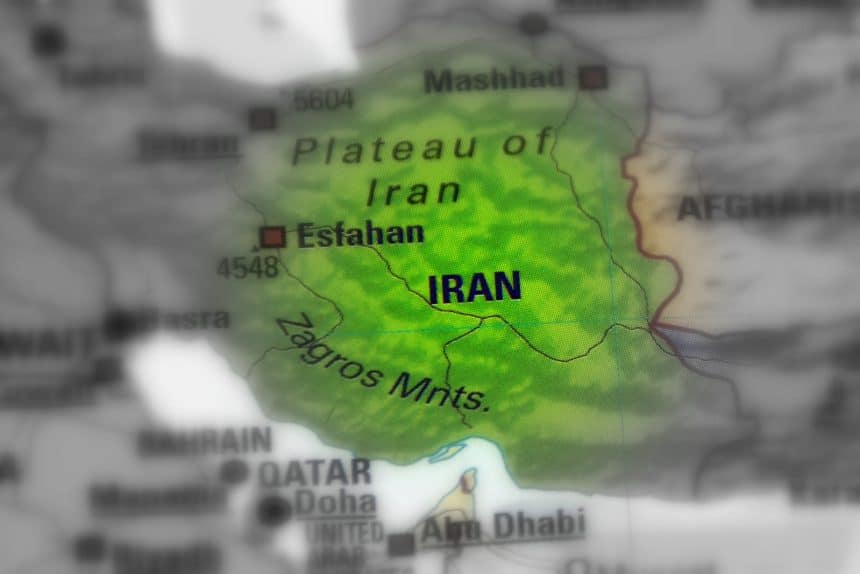
Iran spans approximately 1.6 million square kilometers, making it one of the largest countries in Asia. Its geography is both diverse and strategically critical.
The country is bordered by Iraq and Turkey to the west, Afghanistan and Pakistan to the east, and Armenia, Azerbaijan, and Turkmenistan to the north. It also has access to the Caspian Sea in the north and the Persian Gulf and the Gulf of Oman in the south.
One of the most important geographic features associated with Iran is the Strait of Hormuz, a narrow passage through which a large percentage of the world’s oil supply is transported. This makes Iran a central player in global energy security.
Iran’s landscape includes:
- Mountain ranges such as the Zagros and Alborz
- Vast desert regions like Dasht-e Kavir and Dasht-e Lut
- Fertile valleys and agricultural zones
This diverse terrain influences population distribution, economic activity, and infrastructure development.
Population and Demographics
Iran’s population is large and diverse, with a mix of ethnic groups and cultural traditions. While Persians make up the majority, significant minority groups contribute to the country’s identity.
Major ethnic groups include:
- Persians
- Azeris
- Kurds
- Lurs
- Baloch
- Arabs
The official language is Persian (Farsi), though many regional languages are widely spoken. Iran’s population is relatively young, with a large share under 35, which has implications for economic growth and social change.
Religion plays a central role in Iranian society. The majority of the population practices Shia Islam, which influences both cultural practices and the political system.
Tehran, the capital, is the largest city and serves as the political and economic center. Other major cities include Mashhad, Isfahan, Shiraz, and Tabriz.
Ancient History: The Rise of Persia
Iran’s history stretches back thousands of years and includes some of the most powerful empires in human history.
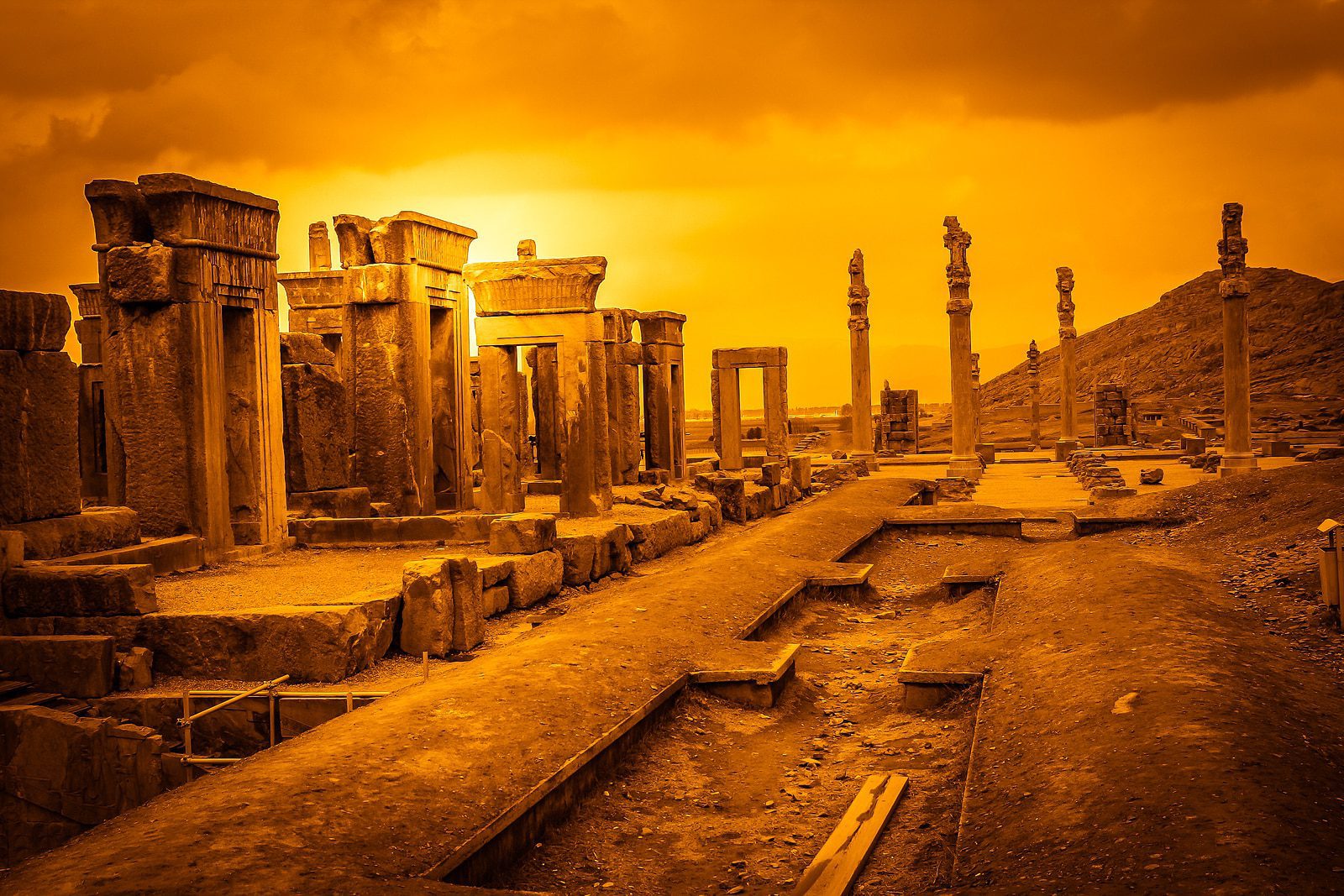
The Achaemenid Empire, founded by Cyrus the Great in the 6th century BCE, established one of the largest empires the world had ever seen. It introduced advanced systems of governance, infrastructure, and cultural integration that influenced future civilizations.
Later empires, including the Parthian and Sasanian dynasties, continued to expand Iran’s influence. Advancements in science, architecture, and trade marked these periods.
Persia became known for:
- Complex administrative systems
- Monumental architecture
- Cultural and intellectual achievements
Despite invasions and external pressures, the region maintained a strong identity that continues to influence modern Iran.
Islamic Transformation and Cultural Continuity
The arrival of Islam in the 7th century transformed Iran’s religious and cultural landscape. While the country adopted Islam, it retained many elements of its Persian heritage.
Over time, Iran became a center of Islamic scholarship, art, and literature. Persian poets and thinkers gained global recognition, and the Persian language continued to flourish.
This blending of Persian and Islamic traditions created a unique cultural identity that distinguishes Iran from many of its neighbors.
Modern History and the 1979 Revolution
Iran’s modern era has been shaped by political transformation and global influence.
In the early 20th century, efforts to modernize the country led to the rise of the Pahlavi dynasty. However, political unrest, economic inequality, and dissatisfaction with governance culminated in the 1979 Islamic Revolution.
The revolution replaced the monarchy with an Islamic republic, fundamentally reshaping Iran’s political system. This shift introduced a government structure that combines religious authority with elected institutions.
Since then, Iran has navigated a complex path involving domestic reforms, international tensions, and economic challenges.
Government and Political Structure
Iran’s political system is unique, blending elements of democracy with theocratic oversight.
Key components include:
- The Supreme Leader, the highest authority in the country
- The President, elected by the public
- The Parliament (Majlis) is responsible for legislation
The Supreme Leader holds significant influence over military, political, and judicial matters, while elected officials manage day-to-day governance.
This system creates a balance between public participation and religious authority, shaping Iran’s domestic and foreign policies.
Economy and Natural Resources
Iran’s economy is one of the largest in the Middle East, driven primarily by its natural resources.
Energy Sector
Iran possesses some of the world’s largest reserves of oil and natural gas. These resources form the backbone of the economy and play a major role in global energy markets.
Other Key Sectors
- Manufacturing, including automobiles and industrial goods
- Agriculture, producing crops such as wheat, pistachios, and saffron
- Services, which make up a large portion of GDP
Economic Challenges
Despite its resource wealth, Iran faces several economic issues:
- International sanctions limiting trade
- Inflation and currency volatility
- Government control over major industries
Efforts to diversify the economy have led to growth in technology, healthcare, and domestic production.
Culture, Art, and Society
Iran’s culture is deeply rooted in its history and reflects a rich blend of traditions.
Literature and Language
Persian literature is globally recognized, with poets such as Rumi and Hafez influencing generations. The Persian language remains central to national identity.
Art and Architecture
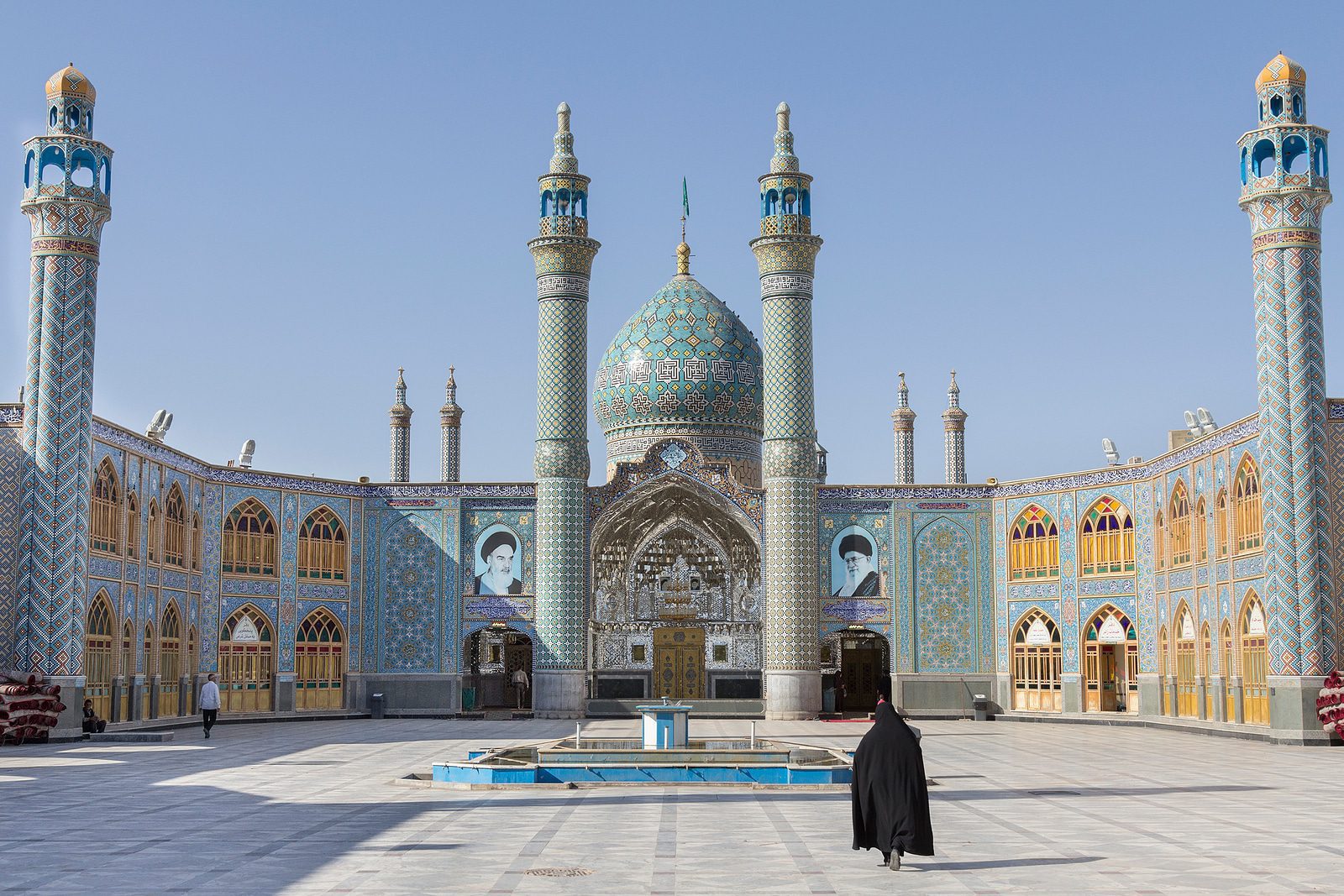
Iran is known for its intricate architecture, including mosques, palaces, and historical landmarks featuring detailed tilework and design.
Social Values
Family and community play a vital role in Iranian society. Hospitality, respect, and tradition are key cultural elements.
Infrastructure and Urban Development
Iran has developed extensive infrastructure, particularly in urban areas. Major cities feature modern transportation systems, universities, and industrial centers.
Tehran serves as the primary hub for business and government, while other cities contribute to regional economic activity.
The country has invested in:
- Transportation networks
- Energy infrastructure
- Urban expansion
These developments support both economic growth and population needs.
Military and Strategic Influence
Iran maintains significant military capabilities and plays an active role in regional security.
Its strategic position allows it to influence key areas, particularly in the Middle East. Control over critical waterways and proximity to major energy routes enhance its geopolitical importance.
Iran’s military strategy often focuses on:
- Regional influence
- Defensive capabilities
- Strategic deterrence
International Relations
Iran’s relationships with other countries are complex and often shaped by political and economic factors.
The country has experienced periods of cooperation and conflict with global powers. Sanctions and diplomatic negotiations have influenced its economic and political environment.
At the same time, Iran maintains relationships with regional allies and continues to play a role in international discussions on energy, security, and trade.
Environmental and Economic Challenges
Iran faces several long-term challenges that impact its future development.
These include:
- Water scarcity and environmental degradation
- Economic pressures from sanctions
- Population growth and urbanization
Addressing these issues will be critical for sustainable growth and stability.
Future Outlook
Iran’s future will be shaped by its ability to balance internal development with external pressures.
Opportunities exist in:
- Economic diversification
- Technological innovation
- Regional trade partnerships
At the same time, geopolitical tensions and economic challenges will continue to influence its trajectory.
Conclusion
Iran is a nation of deep historical roots and modern complexity. Its influence extends far beyond its borders, shaping global energy markets, regional politics, and cultural heritage.
From the rise of ancient Persian empires to its current role in global affairs, Iran remains a country of immense significance. Its strategic location, resource wealth, and cultural legacy ensure that it will continue to play a central role on the world stage.
As Iran moves forward, its ability to adapt and evolve will determine its place in the future global landscape.
More Educational News stories published on STL.News:
- How Advanced Education Degrees Prepare You for Leadership Roles
- Creative Writing Tips That Support Education Success
- How Campus Leadership Translates Into Real-World Power
- How DoMyEssay Works and Why Students Use It in Academic Environments
- EssayHub Review: A Practical Look at This Academic Writing Service
Additional resources:
© 2026 St. Louis Media, LLC d.b.a. STL.News. All rights reserved. No content may be copied, republished, distributed, or used in any form without prior written permission. Unauthorized use may result in legal action. Some content may be created with AI assistance and is reviewed by our editorial team. For official updates, visit STL.News.



