


EVIAN-LES-BAINS, France, June 15 (STL.News) – Leaders of the G7 nations are gathering at a French lakeside resort on Monday for the start of the annual summit. The meeting takes place amid significant unease among international allies concerning President Donald Trump and his recent tariff threats. Beyond trade disputes, the participants face lingering questions regarding the United States’ commitment to the established post-war global order.
The summit, running from June 15 to June 17, serves as a high-stakes arena for addressing multiple geopolitical crises. Among the primary agenda items is the status of Iran, following recent reports that the U.S. and Tehran have reached a preliminary agreement aimed at ending their conflict. This development has provided a focal point for leaders attempting to navigate complex Middle Eastern dynamics and broader economic instability.
Trade Disputes and Digital Taxes
The atmosphere at the summit is strained by the prospect of escalating trade barriers. Before departing for the summit, President Trump indicated that the United States would have no choice but to apply 100% tariffs on French wine. This proposed action is a direct response to France’s implementation of a digital tax targeting American technology giants.
French officials previously stated that the digital tax issue was already settled under existing European regulations and should not be a primary point of contention at the G7. However, the explicit threat of heavy tariffs has injected volatility into the diplomatic proceedings. Many of the gathered leaders have already dealt with the impact of similar shifts in U.S. policy, which have previously disrupted global trade and established diplomatic channels.
War in Ukraine and Global Security
The summit agenda also prioritizes finding common ground on the ongoing war in Ukraine. President Volodymyr Zelenskiy is expected to participate in a working session on Tuesday. This meeting occurs at a critical juncture, as Russian military advances have decelerated, yet Kyiv continues to face intense attacks that have prompted calls for increased military funding from Western allies.
The situation in Ukraine remains a test of the unity within the G7, particularly as individual nations navigate their own domestic political pressures. President Emmanuel Macron, who is hosting the summit, emphasized the need for a collective response to the violence.
“This attack only strengthens our determination to do everything, with our allies and partners, to work towards a ceasefire that Russia stubbornly refuses, then to peace. We will work on it at the G7,” said President Emmanuel Macron in a post on X.
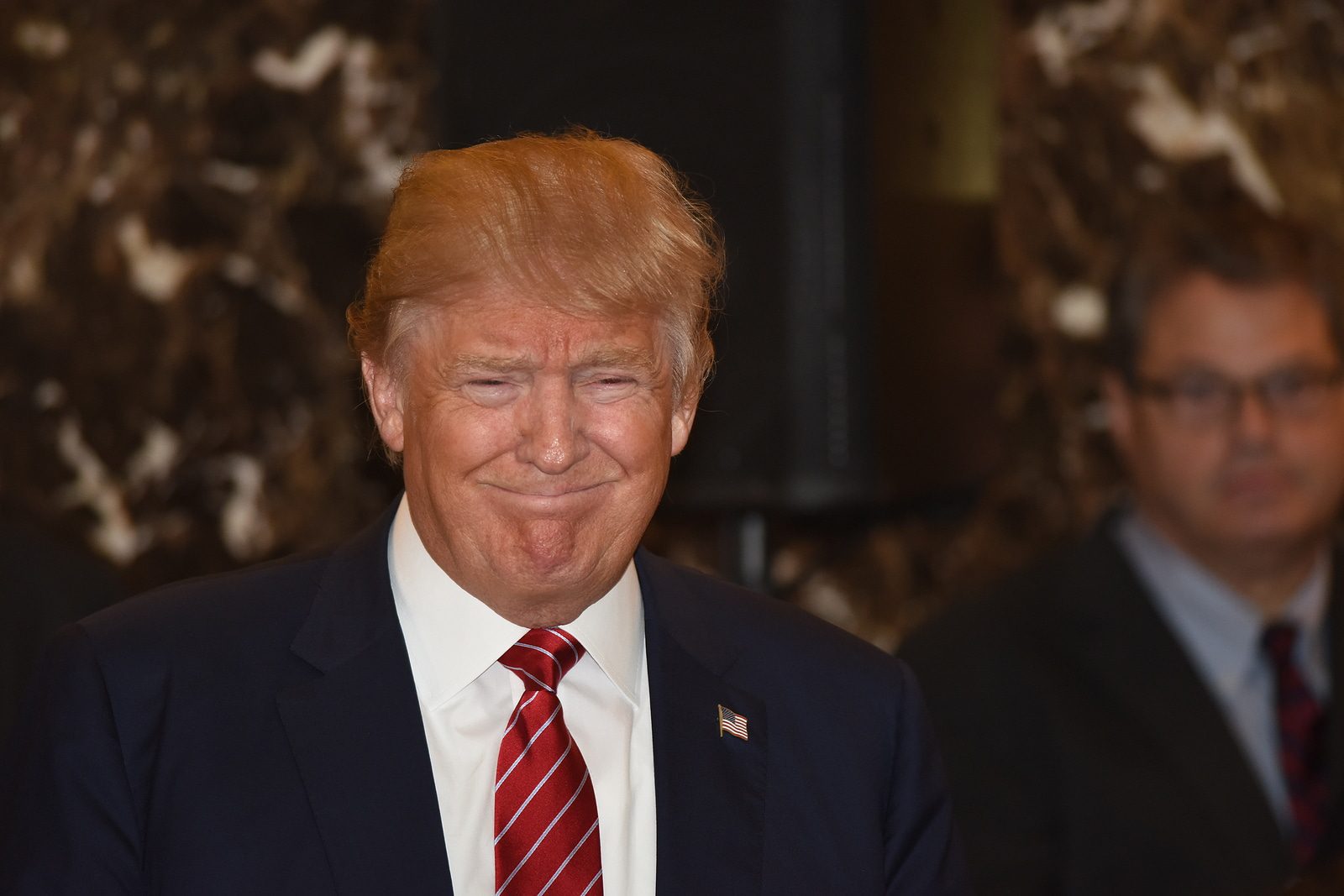
Operational Shifts in the Middle East
A significant portion of the diplomatic discussions will center on the details of the U.S.-Iran deal. While a memorandum of understanding is set for a formal signing in Switzerland on Friday, the specific terms remain largely undisclosed. The agreement comes after months of instability in the Strait of Hormuz, a vital route for global energy supplies.
President Trump has announced the end of the U.S. blockade of Iranian ports and indicated that the Strait of Hormuz would be reopened. While France and Britain have previously explored military missions to assist in securing the region, the success of such initiatives relies heavily on Tehran’s cooperation. Recent signals from Iran, however, have indicated a reluctance to allow Western naval presence in the zone.
Macron’s Final Diplomatic Push
For President Macron, this summit represents a significant milestone during his second and final term in office. Despite being viewed by some observers as a diminished figure on the domestic political front, he maintains a visible influence on the international stage. Macron has successfully coordinated high-profile events, including a dinner at the Palace of Versailles to commemorate 250 years of U.S. independence.
Throughout his presidency of the G7, Macron has aimed to address global macroeconomic imbalances. France has characterized these imbalances as a shared issue, noting that China currently overproduces, the United States overconsumes, and Europe underinvests. As the G7 leaders navigate these competing national interests, the success of the summit will be measured by their ability to maintain cohesion in the face of divergent economic strategies and the unpredictable nature of global trade policy.



