

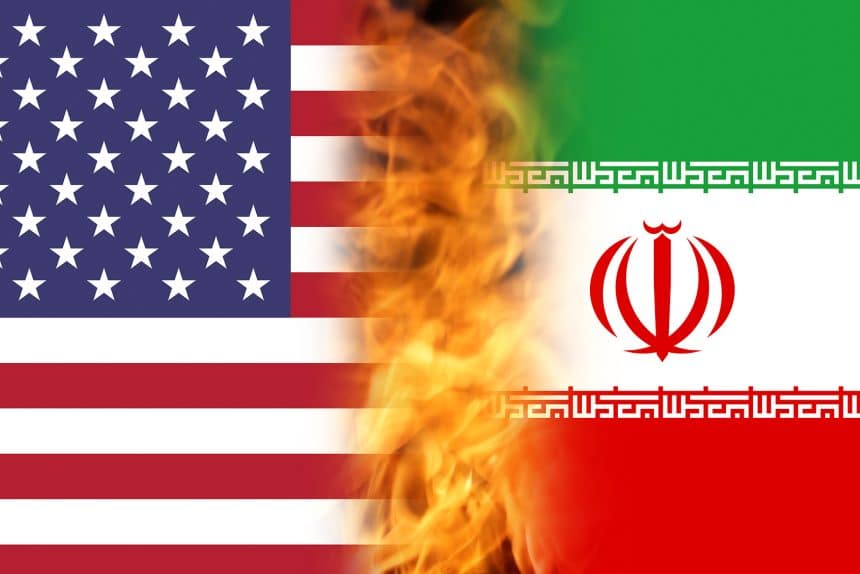
Iran launched multiple ballistic missiles toward Israel on June 7, 2026, in response to an Israeli airstrike in Beirut targeting Hezbollah-linked sites. Israeli defense systems intercepted the missiles, but the exchange has heightened concerns that the fragile ceasefire established in April could collapse and lead to broader regional instability.
MIDDLE EAST/June 7, 2026 (STL.News) The Middle East moved closer to another dangerous escalation Sunday after Iran launched ballistic missiles toward Israel following an Israeli airstrike in Beirut that targeted Hezbollah-linked facilities. The missile barrage marked the first direct Iranian attack against Israel since a fragile ceasefire took effect in April and immediately raised concerns among world leaders that the region could once again be heading toward a broader conflict.
Israeli military officials reported that air defense systems intercepted the incoming missiles and that no significant casualties were immediately reported. However, the attack represented a major escalation in tensions between two longtime regional adversaries and threatened ongoing diplomatic efforts to stabilize the region.
The exchange follows months of military confrontations, ceasefire negotiations, and diplomatic maneuvering involving Iran, Israel, Lebanon, the United States, and several regional governments. Sunday’s developments demonstrated how quickly tensions can intensify despite efforts to prevent a wider war.
LiveNOW from Fox – BREAKING: Israel reports Iran has launched missiles amid ceasefire, Trump responds
Israeli Strike in Beirut Triggers Rapid Response
The immediate catalyst for the missile launch was an Israeli airstrike on Beirut’s southern suburbs, an area widely recognized as a Hezbollah stronghold.
According to Israeli officials, the strike targeted facilities connected to Hezbollah’s military infrastructure. Israel stated that the operation was conducted in response to Hezbollah rocket attacks directed toward northern Israel. Israeli leaders argued that Hezbollah’s actions violated existing ceasefire arrangements and required a military response.
The strike immediately drew attention because Iran had previously warned that attacks against Beirut could provoke retaliation. Tehran considers Hezbollah one of its closest regional allies and has long supported the organization politically, financially, and militarily.
Lebanese officials reported that at least two people were killed and multiple others were injured during the Beirut strike. The attack occurred in a densely populated area, adding to concerns about civilian casualties and the possibility of further escalation.
Within hours, Iran followed through on its warnings.
Iran Launches Missile Barrage Toward Israel
Iranian military forces launched multiple ballistic missiles toward northern Israel on Sunday evening. Reports differed regarding the exact number of missiles fired, with various outlets reporting between four and eleven missiles launched during several waves of attacks. Because the situation remained fluid throughout the day, officials focused more on the overall significance of the attack than on the exact number of missiles involved.
Air raid sirens sounded across parts of northern Israel as military personnel tracked the incoming projectiles. Israeli defense systems were activated immediately.
The Israel Defense Forces stated that most or all of the missiles were intercepted before reaching populated areas. Initial assessments indicated that no major injuries or widespread damage had occurred.
The missile barrage represented the first direct Iranian attack against Israel since the ceasefire established earlier this year. It signaled that tensions between the two countries remain highly volatile despite ongoing diplomatic efforts.
Iran Calls Attack a Response to Israeli Actions
Iranian officials described the missile launch as a response to what they viewed as Israeli violations of existing understandings and ceasefire arrangements.
The Islamic Revolutionary Guard Corps issued statements accusing Israel of crossing “all red lines” through its continued military operations in Lebanon and its decision to strike Beirut. Iranian officials warned that future Israeli attacks could result in broader retaliation.
Iranian leaders also suggested that diplomatic negotiations could be jeopardized if military actions continue. Some Iranian officials publicly questioned whether peace efforts could succeed if military operations in Lebanon persisted.
The messaging from Tehran appeared designed to accomplish two goals simultaneously: to demonstrate military resolve while signaling that future escalation could be avoided if military operations are reduced.
Whether those signals are interpreted as deterrence or threats will likely depend on the actions taken by both sides in the coming days.
Israel Warns of Consequences
Israeli officials quickly condemned the missile attack and indicated that military planners were evaluating response options.
IDF spokesperson Brigadier General Efi Defrin described Iran’s actions as a serious mistake and stated that military preparations were underway. Israeli military leadership emphasized that the country retains the right to defend itself and respond to attacks against its territory.
Schools were reportedly closed in parts of Israel due to security concerns, and military readiness levels were increased across the country. Air defense systems remained on heightened alert as authorities assessed the possibility of additional attacks.
At the same time, Israeli leaders face a complicated strategic challenge.
A significant military response could reinforce deterrence, but also risks triggering another cycle of escalation that could draw additional countries and armed groups into the conflict.
As of Sunday evening, no major retaliatory operation had been publicly announced.
Trump Urges Restraint
One of the most significant developments surrounding Sunday’s events was President Donald Trump’s response.
Multiple reports indicated that Trump opposed the Israeli strike on Beirut and subsequently urged Israeli Prime Minister Benjamin Netanyahu not to escalate the situation further through immediate retaliation against Iran.
According to several reports, Trump has continued to pursue diplomatic discussions with Iran and believes a broader regional agreement remains possible. The missile exchange threatened to complicate those efforts.
Trump reportedly emphasized that neither the Beirut strike nor Iran’s missile launch should derail ongoing negotiations. He encouraged all parties to avoid actions that could expand the conflict.
The administration’s position reflects broader concerns that a wider regional conflict could create significant security, economic, and humanitarian consequences.
Airspace Restrictions and Regional Security Concerns
The missile exchange had immediate consequences beyond Israel and Iran.
Several countries in the region imposed airspace restrictions or increased monitoring of civilian aviation routes following the attacks. Governments and airlines sought to reduce risks associated with military operations, missile launches, and potential retaliatory strikes.
Iran reportedly closed portions of its western airspace, while other regional governments reviewed aviation safety procedures. These actions reflect the reality that military confrontations in the Middle East frequently have implications for international transportation and commerce.
Although most travelers may never notice these adjustments directly, such restrictions can increase flight times, alter routes, and raise operating costs for airlines.
Oil Markets React to Rising Uncertainty
Energy markets also responded to the latest developments.
Oil prices moved higher after reports emerged regarding the Israeli strike in Beirut and Iran’s subsequent missile response. Traders worried that additional instability could threaten shipping routes, energy infrastructure, or broader regional security.
Brent crude and U.S. crude futures both rose significantly as investors evaluated the potential impact of renewed hostilities. Analysts noted that even limited military exchanges can influence energy prices when they occur in one of the world’s most strategically important regions.
Particular attention remained focused on the Strait of Hormuz, a critical shipping route through which a substantial portion of global oil exports passes. Any threat to shipping activity in the area can create uncertainty throughout international energy markets.
For consumers, the long-term impact will largely depend on whether tensions continue to escalate or eventually stabilize.
The Role of Hezbollah in the Conflict
Understanding the significance of Sunday’s events requires understanding Hezbollah’s role in regional politics and security.
Hezbollah has long been one of Iran’s closest allies and one of Israel’s most significant adversaries. The organization operates as both a political movement and an armed force within Lebanon.
Israel has repeatedly accused Hezbollah of maintaining military infrastructure capable of threatening Israeli territory. Hezbollah, meanwhile, argues that its military capabilities serve defensive purposes and are necessary to resist Israeli actions.
Because of Iran’s relationship with Hezbollah, military actions involving the group often carry broader implications beyond Lebanon itself.
The Beirut strike and subsequent missile launch illustrated how events involving Hezbollah can quickly influence relations between Israel and Iran.
Diplomatic Efforts Continue
Despite the military exchange, diplomatic activity continued throughout the day.
Reports indicated that several countries, including Qatar, Egypt, Turkey, and Pakistan, remained involved in efforts to prevent further escalation and encourage dialogue between the parties.
International leaders repeatedly called for restraint and emphasized the importance of preventing a wider regional conflict.
Diplomatic efforts face significant challenges because the underlying issues driving tensions remain unresolved. Disputes involving security, regional influence, military activity, and political alliances continue to shape relations among the countries involved.
Nevertheless, many governments view diplomacy as the best available path toward avoiding a larger conflict.
What Happens Next?
The most important question facing regional leaders is whether Sunday’s missile exchange remains an isolated incident or becomes the beginning of another cycle of escalating military action.
If Israel launches major retaliatory operations against Iranian targets, the likelihood of additional responses from Tehran would increase significantly. Similarly, further military activity involving Hezbollah could intensify tensions across Lebanon and northern Israel.
Conversely, diplomatic efforts led by the United States and regional partners could help prevent further escalation and preserve at least portions of the ceasefire framework in place since April.
For now, military forces throughout the region remain on alert, governments continue monitoring developments, and international leaders are urging caution.
The events of June 7 serve as a reminder that despite months of negotiations and periods of relative calm, the underlying tensions between Iran, Israel, Hezbollah, and their respective allies remain unresolved. The coming days will likely determine whether Sunday’s missile launch becomes another short-lived flare-up or the beginning of a broader regional crisis.
Sources
- Associated Press – June 7, 2026
- Reuters – June 7, 2026
- Axios – June 7, 2026
- Financial Times – June 7, 2026
- The Guardian – June 7, 2026
- Wall Street Journal – June 7, 2026
- Al Jazeera – June 7, 2026
- The Times of India – June 7, 2026