


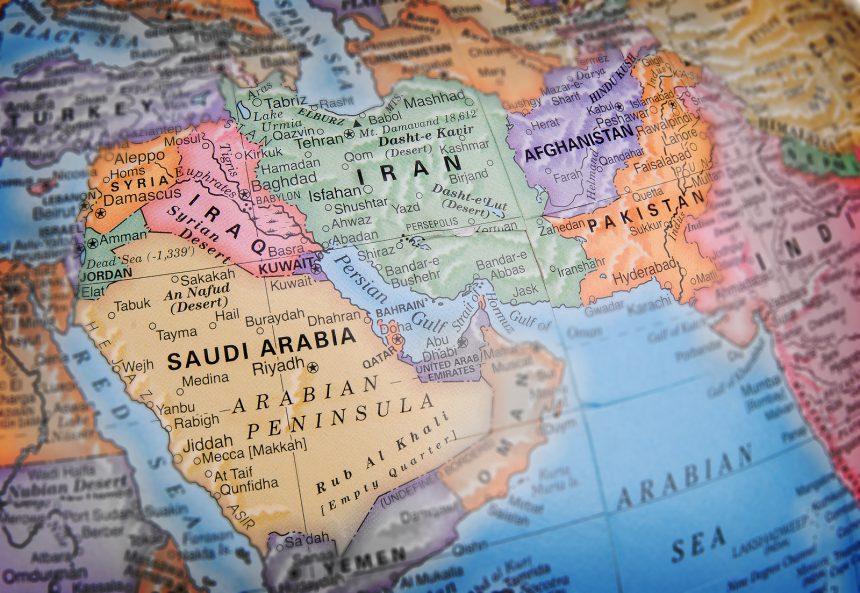
U.S.-Iran Conflict – The volatile standoff between the United States and Iran has shattered a brief diplomatic pause, plunging the region back into active military engagement following retaliatory airstrikes, intercepted regional missile fire, and heightened tensions across key supply corridors.
MIDDLE EAST – July 30, 2026 (STL.News) U.S.-Iran Conflict – The volatile standoff between the United States and Iran has shattered a brief diplomatic pause, plunging the region back into active military engagement. Following a series of retaliatory exchanges, foiled missile attacks targeting regional bases, and sweeping American responses, observers worldwide are left questioning whether Tehran is nearing a breaking point or if an entrenched regional war is taking root.
U.S.-Iran Conflict – Recent Escalations and the Breakdown of the Pause
For several days, international mediators had worked to solidify temporary ceasefires and steer Washington and Tehran back toward formal negotiations. However, those fragile hopes dissolved following intercepted Iranian missile and rocket attempts directed at allied positions and regional defense setups.
In response, the United States Central Command (CENTCOM) initiated heavy waves of retaliatory airstrikes targeting Islamic Revolutionary Guard Corps (IRGC) positions, command centers, and strategic facilities. U.S. leadership made it clear that any threats to American service members or regional partner assets would be met with immediate, overwhelming force. The sudden renewal of kinetic operations underscores just how precarious the ground situation remains, with both sides quickly defaulting to military postures whenever diplomatic blueprints falter.
The Regional Ripple Effect and Proxy Entanglements
The ripple effects of the ongoing U.S.-Iran friction continue to destabilize the broader West Asian landscape. Beyond direct exchanges between American and Iranian forces, the conflict has repeatedly pulled in regional proxies, resulting in multi-front friction spanning from local borders to vital maritime corridors.
Supply lines, commercial maritime traffic, and energy transit routes have all faced severe disruptions, putting continuous upward pressure on global markets. Meanwhile, reports regarding prospective external defense acquisitions—such as Iran securing advanced short-range air defense systems to bridge identified tactical gaps—demonstrate that Tehran is simultaneously preparing for a prolonged defensive posture even as economic pressures mount.
Is Iran on the Verge of Relenting?
The core question posed by many international analysts—and echoed across geopolitical commentary channels—is whether the cumulative weight of military strikes, domestic economic strain, and regional isolation will finally force Iran to fundamentally alter its strategic calculus.
On one hand, the persistent campaign of economic sanctions, naval constraints, and precision military targeting has severely tested the regime’s infrastructure and financial reserves. With inflation running high and vital trade routes heavily contested, the internal cost of sustained confrontation is undeniably steep.
On the other hand, Iran’s military leadership and hardline political factions have repeatedly demonstrated a capacity to absorb structural blows and pivot to asymmetrical deterrence. Rather than signaling an imminent surrender, historical and current responses indicate that Tehran views backing down entirely as an existential threat to its regional influence. Consequently, the regime often responds to intense pressure by digging in its heels, activating proxy networks, or attempting to leverage control over strategic chokepoints.
The Path Forward: Diplomacy vs. Endless Cycle
The dynamic between Washington and Tehran has settled into an exhausting rhythm: brief periods of hopeful diplomatic maneuvering followed abruptly by sudden military escalation. While both capitals have expressed theoretical willingness to find an off-ramp under the right conditions, deep-seated mistrust, divergent demands regarding nuclear policy, and competing visions for regional security continue to derail permanent resolutions.
Ultimately, while hyperbole surrounding total destruction captures widespread public attention online, the reality on the ground is a grinding test of endurance. Whether the latest cycle of violence forces a reluctant return to serious diplomatic concessions or merely paves the way for another chapter of widened hostilities remains one of the most critical security questions facing the global community today.
Disclaimer: While we are not disputing the facts presented in the underlying commentary or YouTube videos regarding these geopolitical events, we have not independently verified every specific assertion. This overview is provided to share diverse perspectives and background context on fast-evolving developments from around the world.
This article can also be viewed at DailyPress.Today.
More news articles that you might find interesting on STL.News:
- US Launches Massive Wave of Airstrikes Against IRGC Targets Following Failed Missile Attack
- Oil Tanker Explodes in Strait of Hormuz After Striking Naval Mine, Iranian Media Reports
- US Enforces Iran Naval Blockade: 12 Ships Diverted and Tankers Disabled
- US Completes 12th Consecutive Night of Airstrikes on Iran Amid High-Stakes Standoff Over Strait of Hormuz
- Trump Warns Iran of ’10x Harder’ Nuclear Site Strikes




