


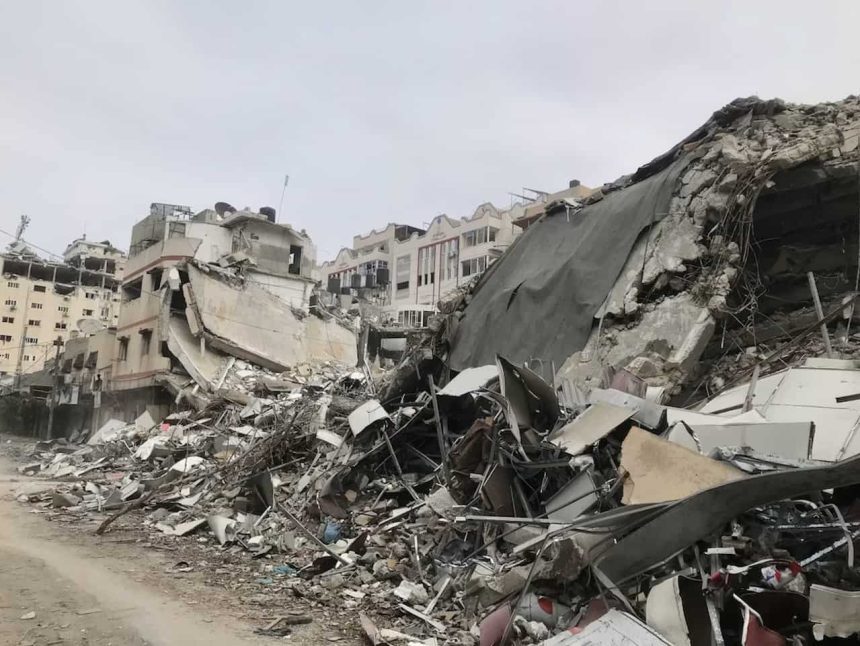
CARACAS, June 29 (STL.News) – Emergency responders and international search teams continued a desperate race against time on Sunday to find survivors following twin earthquakes that struck the northern coast of the country.
The official death toll has risen to 1,450 people, according to government statements, with thousands more remaining injured or displaced as the region faces the aftermath of the massive tremors.
The disaster was triggered by two back-to-back earthquakes measuring 7.2 and 7.5 in magnitude on Wednesday, June 24. These seismic events primarily devastated the northern coastal state of La Guaira and caused extensive structural damage throughout the capital city of CARACAS.
Current Scale of Destruction
Government officials confirmed that 3,150 people have sustained injuries, while at least 12,721 residents have been displaced from their homes. The destruction of physical infrastructure is significant, with 774 buildings reported as completely collapsed across the affected zones. Preliminary assessments from the United Nations estimate the direct physical damage at $6.7 billion.
While official government figures for the missing remain lower, an opposition-backed tracking platform listed nearly 50,000 people as unaccounted for as of Sunday. The U.S. Geological Survey has indicated that the total death toll could eventually reach 10,000, which would categorize the event among the deadliest in Latin American history.
Rescue Efforts Continue
The critical 72-hour survival window for those trapped under rubble officially closed on Saturday evening. Despite the statistical decline in survival probabilities, rescue teams from various nations are continuing their operations, reporting successful recoveries of individuals alive well after the initial window passed.
“Rescue and recovery efforts are ongoing. Today we have recovered people alive and, therefore, operations are not being suspended. We always maintain hope,” said interim President Delcy Rodriguez.
International support has arrived in force, with more than 2,624 specialized rescue workers and 137 search dogs deployed to the disaster sites. Teams from the United States, El Salvador, Spain, Mexico, and Turkey are coordinating with local volunteers. These efforts have been complicated by hundreds of aftershocks and severe damage to infrastructure, including the Simón Bolívar International Airport.
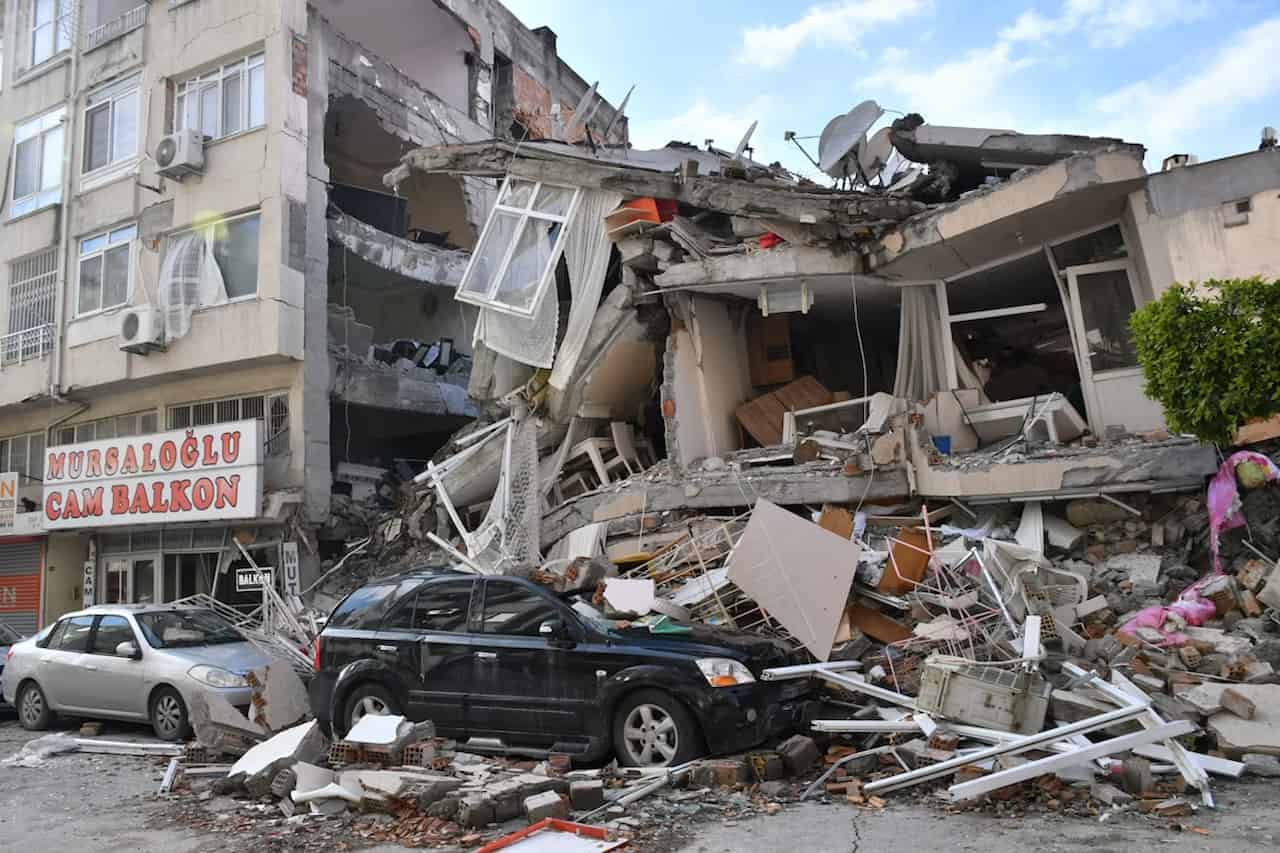
Impact on Local Communities
The coastal state of La Guaira has become the epicenter of the humanitarian response. Local authorities have worked to restore essential services, with officials noting that electricity supply in the state had been restored to 75 percent by Sunday. To manage the ongoing crisis, classes in schools have been suspended for an additional week.
The government has formed a presidential commission tasked with assessing the habitability of remaining buildings. Meanwhile, families who have lost their homes or cannot safely return to their residences are being directed to temporary camps established in open areas.
The earthquake crisis presents a significant challenge for the administration of interim President Delcy Rodriguez, who assumed leadership in January. The country was already grappling with long-term economic instability prior to the disaster. Reports of looting have emerged in some of the most severely damaged sectors of La Guaira, which officials attribute to public desperation and the current shortage of basic goods.
A significant infusion of international aid is underway. The United States has pledged $150 million in initial relief and deployed Navy transport ships to assist with logistics. A senior U.S. official indicated on Saturday that further funding packages totaling hundreds of millions of dollars are expected to be finalized within the coming days.
Social Disruptions
The regional impact has extended to industrial operations. The Amuay refinery, the largest in the country with a capacity of 645,000 barrels per day, shut down operations on Sunday. Workers reported that the closure was prompted by a large power outage affecting the western Falcon state.
Political figures have also commented on the evolving situation. Opposition leader Maria Corina Machado expressed her intention to return to the country to assist, though reports suggest that U.S. officials have expressed concerns regarding the timing of such a move given the ongoing disaster response. Pope Leo also addressed the situation during the Angelus prayer in Rome, expressing his closeness to those affected and thanking the rescue workers for their efforts.



